http://10.1.1.1 in the address bar. Use default credentials (usually admin/admin or admin/password) to access the admin panel. Change your password immediately for security. 10.1.1.1 Tool: Login, Test & Troubleshoot Your Router
What is 10.1.1.1?
10.1.1.1 is a private IP address that serves as the default gateway for many home routers and modems. It’s the address you type into a web browser to access your router’s admin panel, allowing you to manage network security, change WiFi passwords, and configure advanced settings. Think of it as the front door to your home network’s control center.
How to Login to 10.1.1.1
Accessing your router’s admin panel is a straightforward process. Follow these steps to log in using the 10.1.1.1 IP address:
- Connect to Your Network: Ensure your computer or smartphone is connected to your router’s WiFi network or via an Ethernet cable.
- Open a Web Browser: Open any browser like Chrome, Safari, Firefox, or Edge.
- Enter the IP Address: In the address bar (not the search bar), type
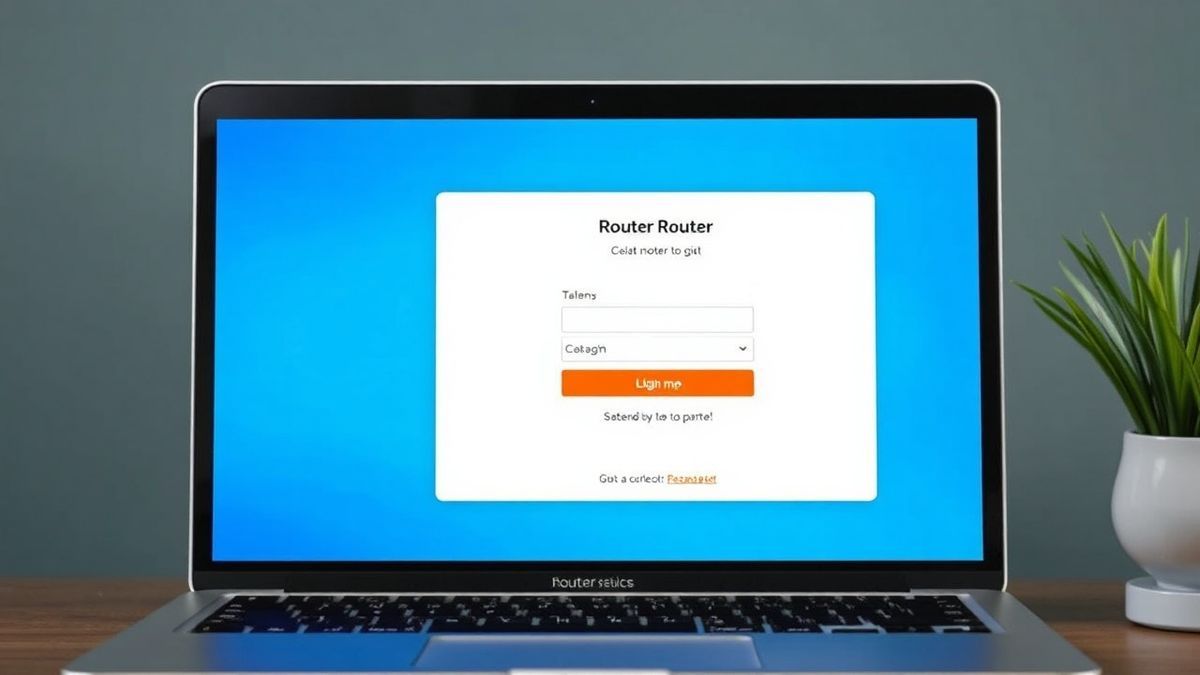
http://10.1.1.1and press Enter. - Enter Login Credentials: A login page will appear. Enter your router’s username and password. If you haven’t changed them, these are often the default credentials provided by the manufacturer.
- Access Admin Panel: Click the “Login” or “Submit” button to enter the router’s dashboard.
Default Username and Password
If you’re logging in for the first time, you’ll likely need to use the default username and password. These vary by manufacturer but are often simple combinations. Using the default credentials poses a security risk, so it’s crucial to change them after your first login.
Here are some common default credentials for routers using 10.1.1.1:
| Brand Name | Default Username | Default Password |
|---|---|---|
| iiNet | admin | admin |
| Optus | admin | password |
| D-Link | admin | admin |
| Belkin | admin | admin |
| Netgear | admin | password |
If none of these work, look for a sticker on the back or bottom of your physical router. It often lists the unique default username and password for your specific model.
What You Can Do After Login
Once you’re inside the admin panel, you have full control over your home network. The interface will look different depending on your router brand, but you’ll generally find these common settings:
- Change WiFi Password (Security Key): Navigate to the Wireless or WiFi settings section. Here, you can update your network’s password to something more secure.
- Change Network Name (SSID): Customize your WiFi network name so it’s easily identifiable.
- View Connected Devices: See a list of all computers, phones, and smart home devices currently connected to your network.
- Parental Controls: Set up schedules and restrictions to manage internet access for specific devices.
- Firmware Update: Check for and install the latest router software to improve performance and security.
- Port Forwarding: Configure advanced settings for online gaming or hosting a server.
Troubleshooting 10.1.1.1 Not Working
It’s frustrating when you can’t access your router’s admin panel. This section covers the most common reasons why 10.1.1.1 might not be working and provides step-by-step fixes.
Cannot access 10.1.1.1 (Page Not Loading)
- Cause: You are not connected to the router’s network.
- Solution: Ensure your device is connected to your WiFi. If you’re using a desktop computer, make sure the Ethernet cable is securely plugged in.
Page Not Found or “This Site Can’t Be Reached”
- Cause: Your router might be using a different default gateway address.
- Solution: Not all routers use 10.1.1.1. The most common alternatives are 192.168.0.1, 192.168.1.1, and 10.0.0.1.
- Find Your Correct IP Address:
- Windows: Open Command Prompt, type
ipconfig, and press Enter. Look for “Default Gateway” under your active network connection. - Mac: Go to System Settings > Network, select your connection, and click “Details.” The router’s address is listed as “Router.”
- Windows: Open Command Prompt, type
- Find Your Correct IP Address:
No Response After Entering IP (Connection Timed Out)
- Cause: A temporary browser cache issue or a misconfigured network adapter.
- Solution:
- Clear Browser Cache: In your browser settings, clear cached images and files.
- Try a Different Browser: Sometimes extensions in your primary browser can block the connection.
- Restart Your Devices: Unplug your router’s power cable, wait 30 seconds, and plug it back in. Once fully restarted, try to access 10.1.1.1 again.
Login Failed (Incorrect Username/Password)
- Cause: You’ve forgotten a custom password, or the default credentials have been changed.
- Solution:
- Check for Common Defaults: Try
admin/adminoradmin/passwordagain. - Factory Reset Your Router: If you’ve forgotten a custom password, a factory reset is the only solution. Find the small, recessed “Reset” button on the back or bottom of your router.
- Perform the Reset: Using a paperclip, press and hold the button for 10-15 seconds. Release it when all the lights on the router blink off and on. This will erase all custom settings and restore the router to its factory state, allowing you to log in with the default credentials.
- Check for Common Defaults: Try

Frequently Asked Questions
How do I login to 10.1.1.1? To log in, ensure your device is connected to the router’s network. Open a web browser and type http://10.1.1.1 into the address bar. Then, enter your router’s admin username and password on the login page.
Why is 10.1.1.1 not working? The 10.1.1.1 address might not work for several reasons: you’re not connected to the WiFi, your router uses a different default gateway (like 192.168.1.1), or a browser cache issue is preventing the page from loading. A simple router restart often resolves this.
What is the default password for 10.1.1.1? There is no single universal password for all routers. The default password depends on your router’s brand. Common defaults are “admin,” “password,” or a blank field. For exact credentials, check the sticker on your physical router.
What should I do if I forgot my router’s password? If you’ve forgotten your custom router password and can’t log in, you will need to perform a factory reset. This is done by pressing and holding the small “Reset” button on the router for 10-15 seconds. This will revert the router to its default settings.
Is 10.1.1.1 a public or private IP address? 10.1.1.1 is a private IP address. This means it’s only accessible within your local home network and is not routable on the public internet. This design provides a layer of security for your internal devices.
How can I change my WiFi password after logging in? After logging into the router via 10.1.1.1, look for a section labeled “Wireless,” “WiFi,” or “WLAN.” Inside, you’ll find the security key (password) field. Enter a new strong password and click “Save” or “Apply” to update your network.
What is the difference between 10.1.1.1 and 192.168.1.1? Both are private IP addresses commonly used as default gateways by router manufacturers. 10.1.1.1 is more frequently used by specific ISPs like Optus and iiNet, while 192.168.1.1 is a standard for brands like Linksys and TP-Link. They both serve the same purpose: providing access to the router’s admin panel.
Do I need to change the default router username and password? Yes, it is highly recommended. Leaving the default username and password active makes your network vulnerable to unauthorized access. Changing them is a simple, critical step to securing your home network and preventing unwanted changes to your router settings.
🔒 Security Reminder
After logging into your 10.1.1.1 router, always change the default password to protect your network from unauthorized access. Use a strong password with at least 12 characters including letters, numbers, and special symbols.