http://192.168.1.1 in the address bar. Use default credentials (usually admin/admin or admin/password) to access the admin panel. Change your password immediately for security. 192.168.1.1 Tool: Router Login & Admin Access Guide
What is 192.168.1.1?
192.168.1.1 is a private IP address that serves as the default gateway for countless home routers. This address is not accessible from the public internet; instead, it creates a secure bridge between your devices and your router’s settings. By entering 192.168.1.1 into a web browser, you can access your router’s admin panel to manage your home network, change your WiFi password, and configure advanced security features.
How to Login to 192.168.1.1
Accessing your router’s admin panel is a straightforward process. Just follow these steps to reach your router’s configuration page.
- Connect to Your Network: Ensure your computer or smartphone is connected to your router’s network, either via WiFi or an Ethernet cable.
- Open a Web Browser: Launch any browser like Chrome, Safari, Firefox, or Edge.
- Enter the IP Address: In the browser’s address bar (not the Google search bar), type
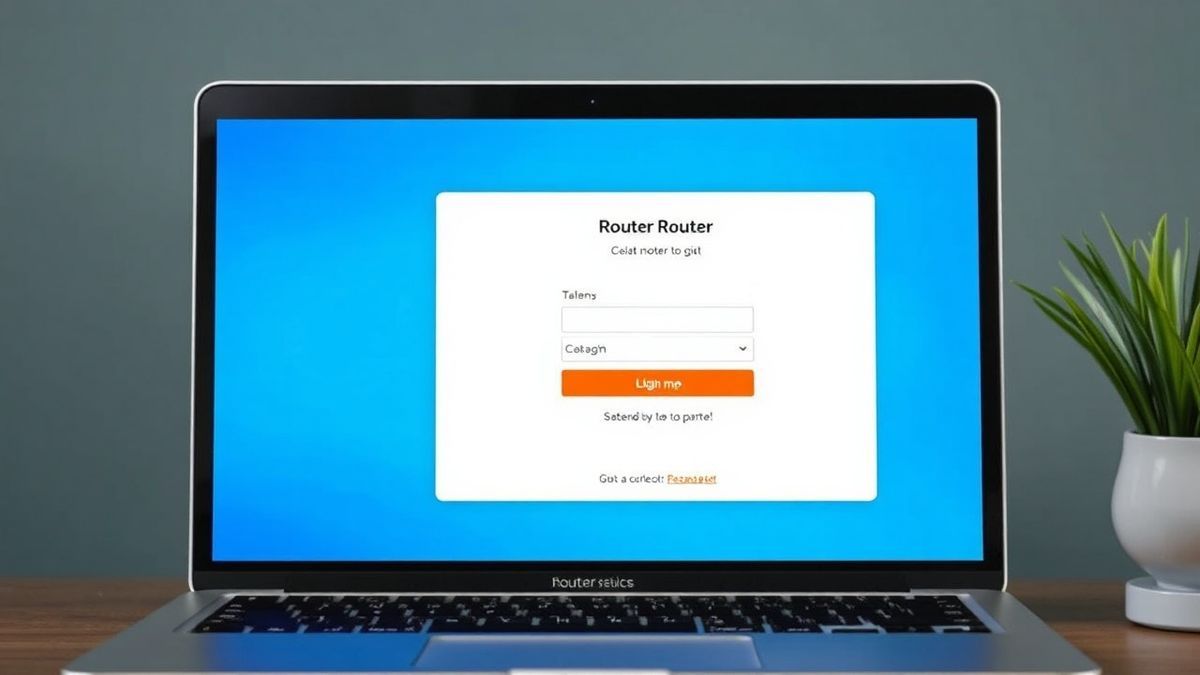
http://192.168.1.1or simply192.168.1.1and press Enter. - Enter Login Credentials: A login page will appear. Enter your router’s username and password. If you haven’t changed them, you’ll need the default credentials for your brand.
- Access the Admin Panel: After successful login, you’ll be taken to the router’s dashboard, where you can view and modify all network settings.
Default Username and Password for 192.168.1.1
If you don’t remember setting a custom password, your router likely still uses its default login credentials. These vary by manufacturer but are easy to find. Here are the most common default combinations:
| Brand | Username | Password |
|---|---|---|
| TP-Link | admin | admin |
| Netgear | admin | password |
| Linksys | (leave blank) | admin |
| D-Link | admin | (leave blank) |
| ASUS | admin | admin |
Security Tip: Leaving your router on default credentials is a significant security risk. Anyone connected to your network could easily access your admin panel. We strongly recommend changing the default password immediately after your first login.
What You Can Do After Login
Once inside the admin panel, you have complete control over your home network. Here are a few of the most common tasks you can perform:
- Change WiFi Password: Secure your network by updating your WiFi password to a strong, unique one. This is also the first step to kicking off unwanted guests.
- Modify Network Name (SSID): Change your network’s name to something you can easily identify.
- Set Up Parental Controls: Manage internet access times and block specific websites for your children’s devices.
- Configure Port Forwarding: This is essential for improving online gaming performance or hosting a personal server.
- Update Router Firmware: Keeping your router’s software up-to-date ensures you have the latest security patches and performance improvements.
- View Connected Devices: See a list of all devices currently using your network to identify any unauthorized users.
Troubleshooting: 192.168.1.1 Not Working
It’s common to encounter issues when trying to access your router’s admin panel. If you can’t connect to 192.168.1.1, don’t worry. Follow these troubleshooting steps to resolve the problem.
Cannot Access 192.168.1.1 / Page Not Loading
Why it happens: The most common reason is that your router’s gateway IP address is different. Another cause could be a poor connection to the network.
How to fix it:
- Check Your Connection: Make sure your device is connected to the router’s network (WiFi or Ethernet).
- Find the Correct Gateway IP:
- On Windows: Open Command Prompt, type
ipconfig, and press Enter. Look for “Default Gateway” under your active network adapter. - On Mac: Go to System Settings > Network, select your active connection, and click “Details.” The router’s IP address will be listed.
- On iPhone/Android: Go to Settings > Wi-Fi, tap the “i” icon or settings gear next to your connected network, and look for “Router.”
- On Windows: Open Command Prompt, type
- Try Common Alternatives: If the default gateway isn’t 192.168.1.1, try accessing other common private IPs like
192.168.0.1,10.0.0.1, or192.168.1.254.
No Response After Entering the IP
Why it happens: This is often due to a browser cache issue or a conflict with your computer’s firewall.
How to fix it:
- Clear Browser Cache: Clear your browser’s cache and cookies, or try accessing the panel from a different browser or an incognito/private window.
- Disable Firewall Temporarily: A strict firewall can sometimes block local network addresses. Temporarily disable it to see if that resolves the issue. Remember to re-enable it afterward.
- Use a Direct Ethernet Connection: If you’re on WiFi, try connecting your computer directly to the router with an Ethernet cable to rule out wireless interference.
Login Failed
Why it happens: You are entering the wrong username or password. This is the most common login issue.
How to fix it:
- Verify Default Credentials: Double-check the default credentials for your specific router model. They may be printed on a sticker on the router itself.
- Perform a Factory Reset: If you’ve changed the password and forgotten it, you’ll need to reset your router to its factory settings. Locate the small, recessed Reset button on the back of your router. Use a paperclip to press and hold it for 10-15 seconds until the lights on the router blink. This will restore the default username, password, and IP address.

Frequently Asked Questions
How do I login to 192.168.1.1?
Open a web browser, type http://192.168.1.1 into the address bar, and press Enter. Then, enter your router’s username and password on the login page that appears.
Why is 192.168.1.1 not working?
This usually means your router is not using 192.168.1.1 as its default gateway. You need to find your router’s actual IP address by using the ipconfig command (Windows) or checking your network settings (Mac/Phone). Try other common IPs like 192.168.0.1 or 10.0.0.1.
What is the default password for 192.168.1.1?
The default password depends on your router’s brand. Common defaults are admin, password, or leaving the field blank. Check the sticker on your router or refer to the table in this guide for brand-specific credentials.
What if I forgot my router login password?
If you have forgotten a custom password, you must perform a factory reset. Use a paperclip to press and hold the reset button on the back of your router for about 10-15 seconds. This will restore the default username and password.
How can I change my WiFi password after logging in?
After logging into the admin panel, look for a section called “Wireless,” “WiFi,” or “WLAN.” Inside, you will find a field for “Wireless Password,” “WPA Pre-Shared Key,” or “Security Key.” Enter your new password and save the changes.
Is it safe to use the default router password?
No, it is not safe. Using the default password makes your network vulnerable to unauthorized access. It’s a best practice to change your router’s admin password to a strong, unique one as soon as you first log in.
My admin panel looks different. What’s wrong?
Router manufacturers use different interfaces. While the layout may vary, the fundamental settings are usually the same. The steps in this guide are general; if you are unsure, consult your router’s manual or the manufacturer’s support website for model-specific instructions.
🔒 Security Reminder
After logging into your 192.168.1.1 router, always change the default password to protect your network from unauthorized access. Use a strong password with at least 12 characters including letters, numbers, and special symbols.