http://DBC Router Login in the address bar. Use default credentials (usually admin/admin or admin/password) to access the admin panel. Change your password immediately for security. DBC Router Login Tool: Fix Login & Access Issues Fast
What is DBC Router Login?
DBC Router Login is the gateway to your router's admin panel. Every router on your home network has a unique private IP address, known as the default gateway (often 192.168.1.1). By entering this address into a web browser, you access a web-based interface where you can manage your network settings, update security protocols, and configure your Wi-Fi. This process, known as DBC Router Login, is essential for customizing and securing your home network.
How to Login to DBC Router Login
Accessing your DBC router’s admin panel is a straightforward process. Follow these steps to gain access:
- Connect to Your Network: Ensure your computer or smartphone is connected to your DBC router’s Wi-Fi or via an Ethernet cable.
- Open a Web Browser: Launch any browser, such as Chrome, Safari, or Firefox.
- Enter the Default Gateway IP: In the address bar, type
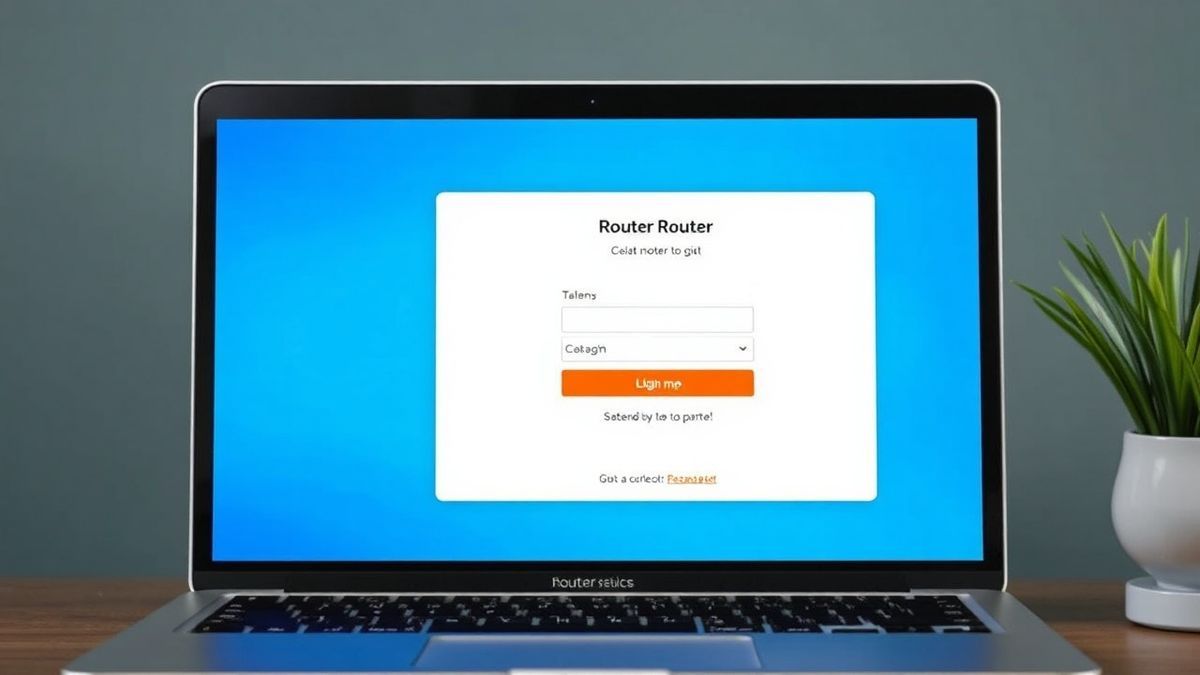
http://192.168.1.1or192.168.1.1and press Enter. This is the most common default gateway for DBC routers. - Enter Login Credentials: A login page will appear. Enter the router’s username and password. If you haven't changed them, these are usually the default credentials provided by the manufacturer.
- Access the Admin Panel: Click the "Login" button. You will then be redirected to the main dashboard of your DBC router settings.
Default Username and Password
Knowing the default login credentials is crucial for your first-time setup. DBC routers often use a standard set of credentials found on a sticker attached to the router itself. However, common defaults include:
| Username | Password |
|---|---|
admin | admin |
admin | password |
admin | 1234 |
Important Security Note: Leaving your router with default credentials poses a significant security risk. Anyone connected to your network could easily log in and change your settings. We strongly recommend changing these to a strong, unique password immediately after your first successful login.
What You Can Do After Login
Once inside the DBC Router Login admin panel, you have full control over your home network. The interface allows you to manage a variety of critical functions:
- Change Wi-Fi Password: Enhance your network's security by setting a strong, new password.
- Modify Network Name (SSID): Personalize your Wi-Fi network name to make it easily identifiable.
- Manage Connected Devices: View a list of all devices connected to your network and block any unauthorized ones.
- Configure Security Settings: Update your encryption method (e.g., WPA2 or WPA3) for optimal security.
- Adjust Parental Controls: Set up access schedules and content filters for specific devices.
Troubleshooting DBC Router Login Not Working
It’s common to encounter issues when trying to access your router. This section provides solutions to the most frequent login problems.
Cannot access DBC Router Login
Symptoms: The login page does not load, and you see a "This site can't be reached" error.
- Reason: This usually indicates a problem with the default gateway IP or your network connection.
- Solution:
- Verify the IP Address: Double-check that you are using the correct IP address. While
192.168.1.1is common, some routers use192.168.0.1or192.168.1.254. - Find Your Router's IP:
- Windows: Open Command Prompt, type
ipconfig, and look for the "Default Gateway" entry under your active network adapter. - Mac: Go to System Settings > Network, select your connection, and click "Details". The router's IP will be listed next to "Router".
- Windows: Open Command Prompt, type
- Check Your Connection: Ensure your device is connected to the router's network via Wi-Fi or Ethernet. A disconnected cable or unstable Wi-Fi can prevent access.
- Verify the IP Address: Double-check that you are using the correct IP address. While
Page not loading / No response after entering IP
Symptoms: The browser seems to load indefinitely, or you get a "Connection Timed Out" error.
- Reason: This can be caused by a browser cache issue, a firewall blocking access, or a problem with the router itself.
- Solution:
- Clear Browser Cache: Cached data can sometimes cause conflicts. Clear your browser’s cache and cookies, or try accessing the login page from an "Incognito" or "Private" window.
- Disable Firewall Temporarily: A firewall on your computer might be blocking access to the local IP address. Try disabling it briefly to see if that resolves the issue. Re-enable it afterward.
- Power Cycle Your Router: Unplug your router from the power outlet, wait 30 seconds, and plug it back in. This often resolves temporary hardware or software glitches.
Login failed after entering username and password
Symptoms: You enter the credentials, but the login page refreshes or displays an "Invalid Username/Password" error.
- Reason: The most common reason is using the wrong credentials. This happens if the default password has been changed or if the default is incorrect for your model.
- Solution:
- Check the Router Sticker: Look on the back or bottom of your physical router. Many manufacturers print the default login details on a label.
- Use Common Defaults: Try common combinations like
admin/admin,admin/password, oradmin/1234. - Reset Your Router to Factory Settings: If you've forgotten a custom password, you can perform a factory reset. Locate the small, recessed "Reset" button on the back of the router. Using a paperclip, press and hold it for about 10-15 seconds while the router is powered on. This will erase all custom settings and restore the default username and password. Note: This will also reset your Wi-Fi name and password.

Frequently Asked Questions
How to login DBC Router Login?
To perform a DBC Router Login, open a web browser and enter your router's default gateway IP address (commonly 192.168.1.1). Then, enter the router's username and password to access the admin panel.
Why is DBC Router Login not working?
A DBC Router Login can fail for several reasons: an incorrect IP address, wrong login credentials, a poor connection to the network, or browser cache issues. Using the troubleshooting steps above usually resolves these problems.
What is default password for DBC Router Login?
The default password for most DBC routers is often admin, password, or 1234. For the most accurate information, check the sticker on the back or bottom of your physical router device.
How do I change my Wi-Fi password after a DBC Router Login?
After a successful DBC Router Login, navigate to the "Wireless" or "Network" section. Look for "WLAN Security" or "Wi-Fi Settings". Enter your new password in the "Pre-Shared Key" or "Password" field and save the changes.
What is the default gateway for my DBC router?
While many DBC routers use 192.168.1.1 as the default gateway, it can vary. To find it, run ipconfig in the Windows command prompt or check your network settings on a Mac to locate the "Router" address.
I can't remember my custom router password. What should I do?
If you've changed your password and forgotten it, the only way to regain access is to perform a factory reset on your router. Press and hold the "Reset" button on the back of the device for 10-15 seconds. This will restore the default username and password.
Is it safe to leave the default DBC router username and password?
No, it is a significant security risk. Default credentials are widely known and can be exploited by malicious actors on your network. After your first login, you should immediately change them to a strong, unique password.
🔒 Security Reminder
After logging into your DBC router, always change the default password to protect your network from unauthorized access. Use a strong password with at least 12 characters including letters, numbers, and special symbols.