http://MiWiFi Login – Miwifi.com in the address bar. Use default credentials (usually admin/admin or admin/password) to access the admin panel. Change your password immediately for security. MiWiFi Login Tool | Access Router at miwifi.com
What is MiWiFi Login – miwifi.com
The MiWiFi Login page at miwifi.com is the official admin panel for your Xiaomi Mi Router. It acts as your router's default gateway, a private IP address (like 192.168.31.1) that your computer uses to communicate with the router hardware. This web-based tool is your central hub for managing router settings, securing your network, and customizing your home WiFi experience.
How to Login to MiWiFi – miwifi.com
Gaining access to your router’s admin panel is a straightforward process. Before you begin, ensure your computer or smartphone is connected to your Mi Router’s network, either via WiFi or an Ethernet cable.
Follow these steps to access the MiWiFi Login interface:
- Open a Web Browser: Launch a browser like Google Chrome, Mozilla Firefox, or Safari on your connected device.
- Enter the Address: In the address bar, type
http://miwifi.comand press Enter. If that doesn't work, you can also use the default IP address:http://192.168.31.1. - Enter Login Credentials: You will be directed to the login page. Enter the router's username and password.
- The default username is often left blank.
- The default password is usually
admin(all lowercase).
- Access the Admin Panel: Click the Login button. If the credentials are correct, you will be granted access to the main dashboard, where you can manage all your router settings.
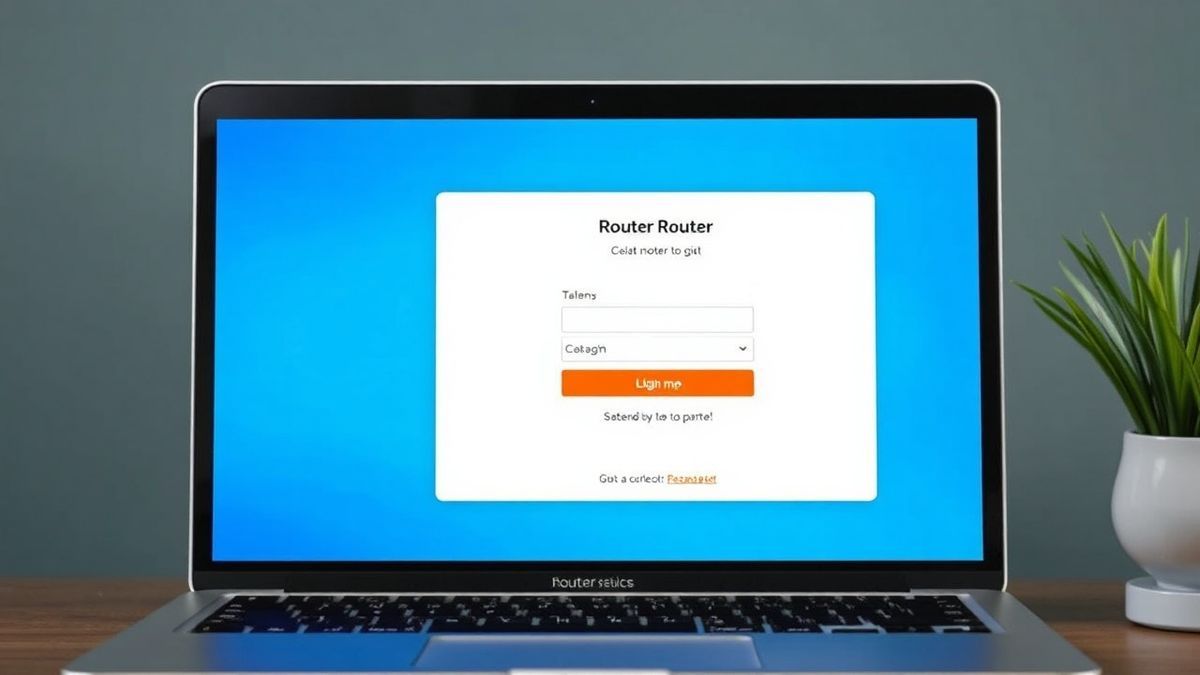
Default Username and Password
While the most common default credentials for Xiaomi Mi Routers are a blank username and the password “admin”, it’s important to note that this can vary slightly depending on the specific model or regional firmware. If “admin” does not work, try using “admin” for both the username and password fields.
⚠️ Important Security Note: Leaving your router with the default password poses a significant security risk. Any device connected to your network could potentially access and alter your settings. We strongly recommend changing the default password immediately after your first login to secure your home network.
What You Can Do After Login
Once you’ve completed the MiWiFi Login and entered the admin dashboard, you gain full control over your home network. Here are the most common tasks users perform:
- Change WiFi Password and Network Name (SSID): This is the most common reason to access the admin panel. You can update your network name to something recognizable and set a strong, unique password to prevent unauthorized access.
- Monitor Connected Devices: See a list of all devices currently connected to your network. This is a great way to spot unknown devices that might be leeching off your WiFi.
- Set Up a Guest Network: Create a separate WiFi network for visitors. This keeps your main network secure while providing internet access to guests.
- Adjust Router Settings: Tweak advanced settings like port forwarding, parental controls, and Quality of Service (QoS) to prioritize bandwidth for specific devices or applications.
Troubleshooting MiWiFi Login – miwifi.com Not Working
It can be frustrating when you can’t access your router’s admin panel. Below are the most common issues and how to resolve them.
Cannot Access MiWiFi Login – miwifi.com
Possible Causes: The device you’re using isn’t connected to the router’s network, or the router’s IP address has been changed.
Solutions:
- Verify Your Connection: Ensure your computer or phone is connected to the Mi Router’s WiFi network. If you're using a cable, make sure it’s securely plugged in.
- Use the Correct Address: Try both
http://miwifi.comandhttp://192.168.31.1. Sometimes one works better than the other. - Find the IP Address: If neither works, you can find the router’s current gateway address. On Windows, open Command Prompt, type
ipconfigand press Enter. Look for the “Default Gateway” entry. On macOS, go to System Settings > Network, select your connection, and look for the “Router” address. Enter this IP into your browser.
Page Not Loading or No Response After Entering IP
Possible Causes: A browser cache issue, a temporary network glitch, or a firewall blocking the connection.
Solutions:
- Restart Your Browser: Close your browser completely and reopen it, trying the login address again.
- Clear Browser Cache: An overloaded cache can cause loading issues. Clear your browser’s cache and cookies, then try again.
- Try a Different Browser or Device: This helps rule out a browser-specific problem. If your phone can access the login page but your laptop can’t, the issue is likely with the laptop, not the router.
- Restart Your Router: Unplug the power cord from your Mi Router, wait 30 seconds, and plug it back in. Wait for it to fully reboot (all lights are stable) and try logging in again.
Login Failed / Incorrect Password
Possible Causes: You or someone else has changed the login password from the default.
Solutions:
- Try Common Combinations: If “admin” didn’t work, try leaving the password field blank, or using “password” as the password. The username might also be “admin” instead of blank.
- Factory Reset Your Router: This is the only solution if you’ve forgotten a custom password. A factory reset will erase all your custom settings, including the WiFi password, and restore the login credentials to their defaults.

How to Factory Reset Your Mi Router
- Locate the small Reset button on the back or bottom of the router. It’s usually a tiny, recessed hole.
- With the router powered on, use a paperclip or a similar pointed object to press and hold the reset button.
- Hold it for 10-15 seconds. You’ll see the indicator lights blink, and the router will restart.
- Once the reboot is complete, the router will be restored to factory settings. You can now log in using the default username (blank) and password (
admin).
Frequently Asked Questions
How do I perform a MiWiFi Login – miwifi.com?
To perform a MiWiFi Login, connect your device to your Xiaomi router's network. Then, open a web browser and go to http://miwifi.com or http://192.168.31.1. Enter the username (usually blank) and password (usually “admin”) to access the admin panel.
Why is MiWiFi Login – miwifi.com not working on my phone?
If MiWiFi Login – miwifi.com isn’t loading on your phone, first ensure you are connected to the router’s WiFi network. Try using a different browser, or force-close and reopen your current one. If the page still doesn’t load, use the IP address http://192.168.31.1 instead of the domain name.
What is the default password for MiWiFi Login – miwifi.com?
The default password for most Xiaomi Mi Router models is admin. The username field is typically left blank. If you’ve changed your password and forgotten it, you will need to perform a factory reset to restore the default credentials.
How can I change my WiFi password after MiWiFi Login?
After logging into the admin panel at miwifi.com, navigate to Settings and then Wi-Fi Settings. Here, you can enter a new password in the password field. Click Save to apply the changes. Your connected devices will be disconnected and will need to reconnect using the new password.
What is the difference between miwifi.com and 192.168.31.1?
Both addresses serve the same purpose: they are the paths to your router’s admin panel. miwifi.com is a domain name that your router sets up to point to its own private IP address, which is commonly 192.168.31.1. If one doesn’t work, the other is a reliable alternative.
Is it safe to leave my router password as “admin”?
No, it is not safe. Leaving the default login credentials makes your network vulnerable. Anyone connected to your WiFi could access your router admin panel and change settings or compromise your security. You should change the admin password immediately after your first login.
🔒 Security Reminder
After logging into your MiWiFi – Miwifi.com router, always change the default password to protect your network from unauthorized access. Use a strong password with at least 12 characters including letters, numbers, and special symbols.