http://Router Login in the address bar. Use default credentials (usually admin/admin or admin/password) to access the admin panel. Change your password immediately for security. Router Login Tool: Access Any Router Admin Page Instantly
What is Router Login
Router login is the process of accessing your router’s built-in admin panel to manage your home network. This is done by typing your router’s private IP address—also known as the default gateway—into a web browser. The default gateway acts as the door to your router’s settings, allowing you to configure security, manage connected devices, and update your Wi-Fi credentials. Essentially, it’s the control center for your home network.
How to Login to Router Login
Accessing your router’s admin panel is a straightforward process. Follow these steps to get into your router settings:
- Connect to your network: Ensure your device (laptop, phone, or desktop) is connected to your router, either via Wi-Fi or an Ethernet cable.
- Open a web browser: Use any browser, such as Chrome, Safari, or Firefox.
- Enter the Router Login IP: In the address bar, type the default gateway IP address. The most common addresses are
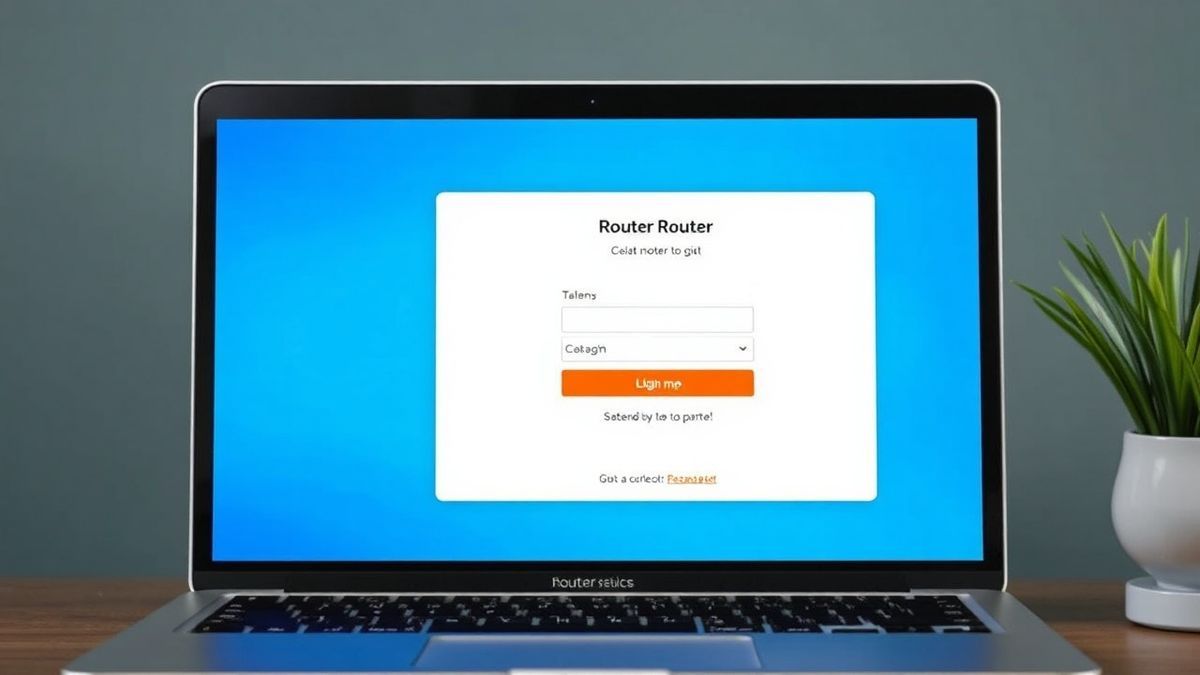
192.168.1.1or192.168.0.1. If you’re unsure which one to use, press Enter. If the page doesn't load, try the other address. - Enter login credentials: A login page will appear. Enter the default username and password for your router.
- Access the admin panel: After entering the correct credentials, you will be logged into the router's admin panel, where you can manage all your router settings.
Default Username and Password
One of the most common hurdles in a router login is using the correct username and password. Router manufacturers set default credentials for easy initial setup.
| Brand | Default Username | Default Password |
|---|---|---|
| TP-Link, D-Link, Netgear | admin | admin |
| Asus, Linksys | admin | password |
| Xfinity | admin | Varies (often on sticker) |
| AT&T | admin | attadmin |
A critical note on security: Default credentials are publicly known and pose a significant security risk. It is highly recommended that you change these to a strong, unique password immediately after your first router login.
What You Can Do After Login
Once inside the admin panel, you have full control over your home network. Here are some of the most common tasks you can perform:
- Change Wi-Fi Password (Network Security Key): Enhance your network security by regularly updating your Wi-Fi password.
- Change Wi-Fi Name (SSID): Personalize your network name so it's easily identifiable.
- View Connected Devices: See a list of all devices currently using your network, which is helpful for identifying unauthorized users.
- Set Up a Guest Network: Create a separate Wi-Fi network for visitors to keep your main network secure.
- Update Router Firmware: Apply the latest security patches and performance improvements from the manufacturer.
Troubleshooting Router Login Not Working
It’s frustrating when you can’t access your router’s admin page. Here are solutions for the most common issues.
Cannot access Router Login (Page not loading)
- Wrong IP Address: The most common reason. Instead of guessing, find your correct default gateway.
- On Windows: Open Command Prompt and type
ipconfig. Look for "Default Gateway" under your active network connection. - On macOS: Go to System Settings > Network, select your connection, and click "Details." Find the "Router" address.
- On Windows: Open Command Prompt and type
- Connection Issue: Make sure you are connected to the router's network. A wired Ethernet connection is the most reliable for initial setup.
- Browser Cache: Try clearing your browser's cache and cookies, or attempt the router login using an incognito/private window.
No response after entering IP
- IP Address Conflict: Ensure your device’s IP address is on the same subnet as the router. For example, if your router is
192.168.1.1, your device’s IP should be192.168.1.x. Usually, this is set automatically via DHCP, but a restart can help. - Firewall or Antivirus: Temporarily disable any third-party firewall or antivirus software to see if it’s blocking the connection to the admin panel.
Login failed
- Incorrect Credentials: If you've changed the password before and forgot it, you will need to perform a factory reset.
- Caps Lock On: Ensure Caps Lock is off, as passwords are case-sensitive.
- Factory Reset: If all else fails, press and hold the router’s reset button (usually a small, recessed button) for about 10 seconds using a paperclip. This will restore the router to its factory settings, allowing you to use the default router login credentials.

Frequently Asked Questions
How do I find my Router Login IP address?
The easiest way is to open Command Prompt (Windows) or Terminal (Mac) and type ipconfig or netstat -nr | grep default, respectively. Look for the "Default Gateway" address. Common private IP addresses include 192.168.0.1, 192.168.1.1, and 10.0.0.1.
Why is Router Login not working on my phone?
Your phone must be connected to the router's Wi-Fi network. Also, ensure you are entering the correct IP address. Try using a different browser or "Request Desktop Site" mode, as some router admin pages are not fully optimized for mobile browsers.
What is the default password for Router Login?
The default password varies by manufacturer. Common defaults are admin, password, or leaving the field blank. If you have an ISP-provided router (like Xfinity or AT&T), the login details are often printed on a sticker on the side or bottom of the device.
What can I do if I forgot my router login password?
If you’ve changed the password and forgotten it, you cannot recover it. You must physically press and hold the reset button on the router for 10-30 seconds. This will wipe all your custom settings and restore the default router login credentials and IP address.
How can I change my WiFi password after logging in?
Once you're in the admin panel, look for a section labeled "Wireless," "Wi-Fi," or "Security." There you will find fields to change the "Wi-Fi Password" or "Network Security Key." Make sure to save your settings, and your devices will need to reconnect using the new password.
What is the difference between a router login and a Wi-Fi password?
The router login password is used to access the admin panel (via a web browser) to change settings. The Wi-Fi password is what guests and devices use to connect to your wireless internet network. They serve entirely different security purposes.
🔒 Security Reminder
After logging into your Router Login router, always change the default password to protect your network from unauthorized access. Use a strong password with at least 12 characters including letters, numbers, and special symbols.