http://10.0.0.2 in the address bar. Use default credentials (usually admin/admin or admin/password) to access the admin panel. Change your password immediately for security. 10.0.0.2 Tool: Router Login & Admin Access Guide
What is 10.0.0.2?
The IP address 10.0.0.2 is a private IP address commonly used as a default gateway for home routers. It serves as the entry point to your router’s admin panel, allowing you to view and modify your network settings. In simple terms, typing http://10.0.0.2 into your web browser is the key to managing your WiFi network.
How to Login to 10.0.0.2
Gaining access to your router’s admin interface is a straightforward process. Before you start, ensure your computer or smartphone is connected to your router’s WiFi network or via an Ethernet cable.
- Open a web browser: Launch Chrome, Safari, Firefox, or any browser you prefer.
- Enter the IP address: In the address bar, type
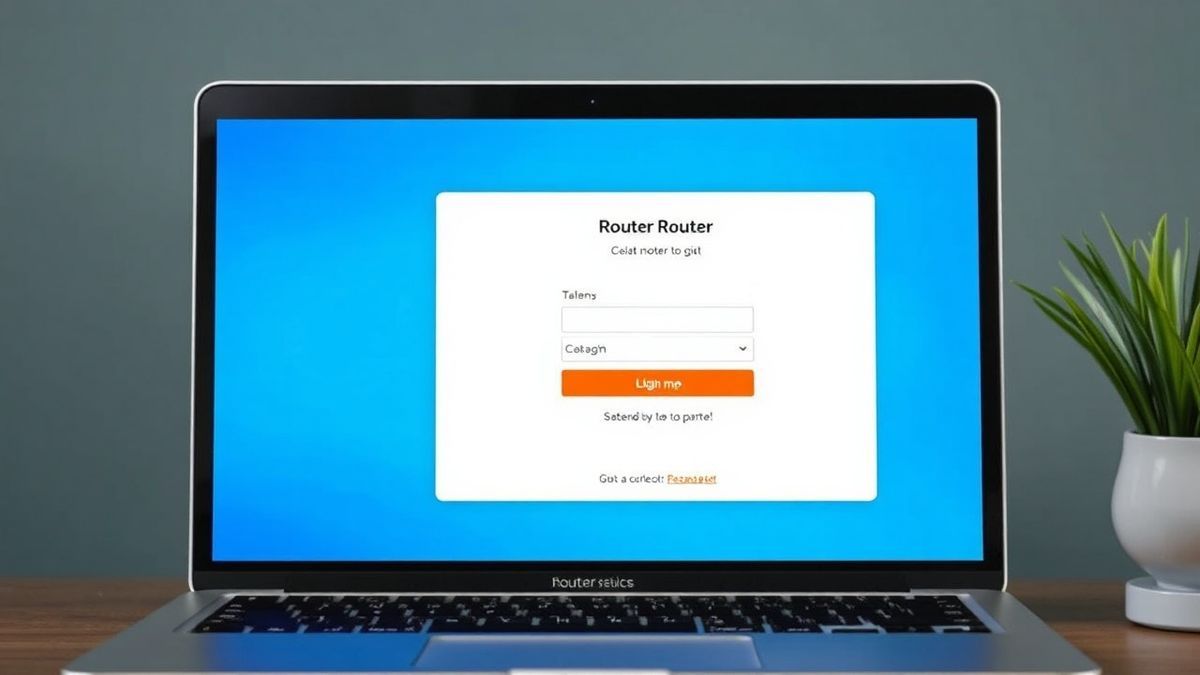
http://10.0.0.2and press Enter. Ensure you use the correct format with dots, not commas. - Enter login credentials: A login page will appear requesting a username and password.
- Access the admin panel: After entering the correct credentials, you will be logged into your router’s dashboard, where you can manage all your network settings.
Default Username and Password
If you haven't changed your router's login details, you'll need the default credentials. These vary by manufacturer. Here are the most common combinations for routers that use 10.0.0.2:
| Router Brand | Default Username | Default Password |
|---|---|---|
| Telkom (D-Link) | admin | admin |
| D-Link | admin | (leave blank) or admin |
| Various Others | admin | password |
⚠️ Important Security Note: Leaving the default username and password on your router is a significant security risk. Anyone connected to your network, or a malicious script on a website, could potentially access and change your settings. It is strongly recommended to change these credentials immediately after you first log in.
What You Can Do After Login
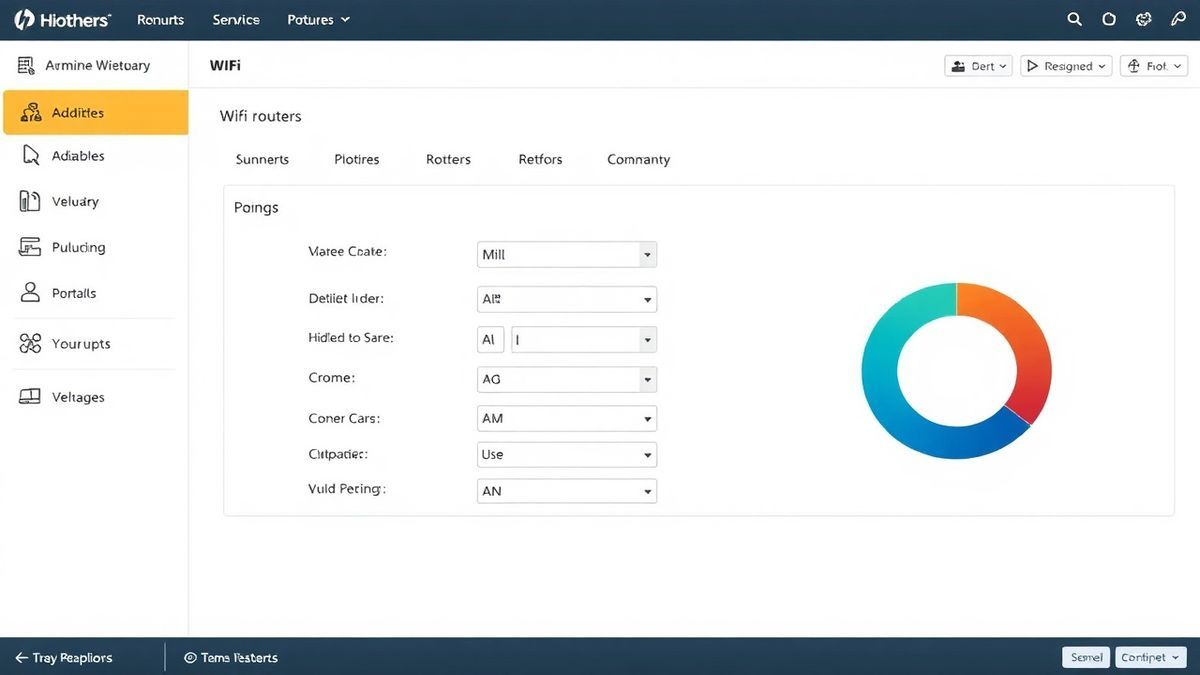
Once you're inside the router's admin panel, you have complete control over your home network. The interface may look different depending on the brand (like D-Link, TP-Link, or Netgear), but the core settings are generally similar.
- Change WiFi Password (Security Key): This is one of the most common reasons to log in. You can update your WiFi password to a stronger one to prevent unauthorized access.
- Change WiFi Network Name (SSID): Personalize your network name to make it easily identifiable.
- View Connected Devices: See a list of all devices currently connected to your network. This is a great way to spot unknown devices that might be using your WiFi without permission.
- Parental Controls: Set up access schedules or block specific websites for certain devices.
- Firmware Update: Keep your router's software up-to-date for the latest security patches and performance improvements.
Troubleshooting 10.0.0.2 Not Working
It's common to encounter issues when trying to access 10.0.0.2. Below are the most frequent problems and how to solve them.
Cannot access 10.0.0.2
Possible Cause 1: Your device is not connected to the network. Solution: Ensure your computer or phone is connected to the router via WiFi or Ethernet cable. If you're using a cellular connection, you won't be able to access your router's IP address.
Possible Cause 2: 10.0.0.2 is not your router’s default gateway. Solution: Your router might use a different IP address. The most common alternatives are 192.168.0.1 or 192.168.1.1. To find your correct default gateway:
- On Windows: Open Command Prompt, type
ipconfig, and look for "Default Gateway". - On Mac: Go to System Settings > Network, select your connection, and look for "Router".
Page not loading or connection timed out
Possible Cause: A browser cache issue or incorrect IP entry. Solution: Try these steps in order:
- Double-check the IP: Ensure you typed
10.0.0.2correctly and not10.0.0.2.comor10.0.0.l(with a letter 'l'). - Clear browser cache: Clear your browser's history and cache to remove any old, conflicting data.
- Try a different browser: Sometimes, browser extensions can interfere. Try a different browser or use an "incognito/private" window.
Login failed after entering username and password
Possible Cause: The password has been changed from the default, or Caps Lock is on. Solution:
- Check Caps Lock: Passwords are case-sensitive. Ensure Caps Lock is off.
- Try default credentials: If you've never changed the password, refer to the default credentials table above.
- Forgot your password: If you changed it and forgot, you must perform a factory reset on the router. Locate the small "Reset" button on the back of the router. Use a paperclip to press and hold it for 10-15 seconds until the lights flash. This will revert all settings (including WiFi name and password) to factory defaults, allowing you to log in with the default credentials.

Frequently Asked Questions
How to login to 10.0.0.2?
Connect your device to the router's network, open a web browser, and type http://10.0.0.2 in the address bar. Then, enter your router's username and password.
Why is 10.0.0.2 not working on my phone?
Your phone might not be connected to the WiFi network. Ensure you are connected to your home WiFi, not using mobile data. Also, try using a different browser on your phone.
What is the default password for 10.0.0.2?
There is no single default password. For Telkom D-Link routers, it's often admin/admin. Other brands may use admin/password or have a blank password field. Check the sticker on your router for the default credentials.
Can I change my WiFi password using 10.0.0.2?
Yes, this is one of the primary functions of the admin panel. After logging in, look for sections labeled Wireless, WiFi Settings, or Security to change your WiFi password.
What should I do if I forgot my router's password?
If you forgot your custom password, you cannot recover it. You must perform a factory reset on the router by holding down the reset button for about 10-15 seconds. This will reset the password to the default one.
Is 10.0.0.2 a public or private IP address?
It is a private IP address. This means it is only accessible within your local home network and not from the public internet. It is used for internal communication between your devices and your router.
How do I find my router's login IP if it's not 10.0.0.2?
You can find it by using the ipconfig command (on Windows) or checking your network settings on a Mac. The address listed as "Default Gateway" is your router's login IP.
After logging into 10.0.0.2, how do I update my router's firmware?
Once logged in, look for a section called Administration, Management, or Firmware Upgrade. You can usually choose to check for updates online or upload a file downloaded from the manufacturer's website.
🔒 Security Reminder
After logging into your 10.0.0.2 router, always change the default password to protect your network from unauthorized access. Use a strong password with at least 12 characters including letters, numbers, and special symbols.