http://Ooredoo Router Login in the address bar. Use default credentials (usually admin/admin or admin/password) to access the admin panel. Change your password immediately for security. Ooredoo Router Login: The Complete Guide to Access Admin & Change WiFi Settings
What is Ooredoo Router Login?
The Ooredoo router login is the process of accessing your router's built-in admin panel using a private IP address, also known as your default gateway. Think of it as the control center for your home network. By entering this specific IP address (like 192.168.1.1) into a web browser, you can log in to manage all your router settings, from changing your WiFi name and password to enhancing network security.
How to Login to Ooredoo Router Login
Gaining access to your router’s admin panel is a straightforward process. Before you start, make sure your device is connected to your Ooredoo network, either via WiFi or an Ethernet cable. Follow these steps to complete the Ooredoo router login:
- Open a Web Browser: On any device connected to your network (laptop, phone, tablet), open a browser like Chrome, Safari, or Firefox.
- Enter the Default IP Address: In the address bar, type your router's default IP address and press Enter. Common Ooredoo router login IPs include
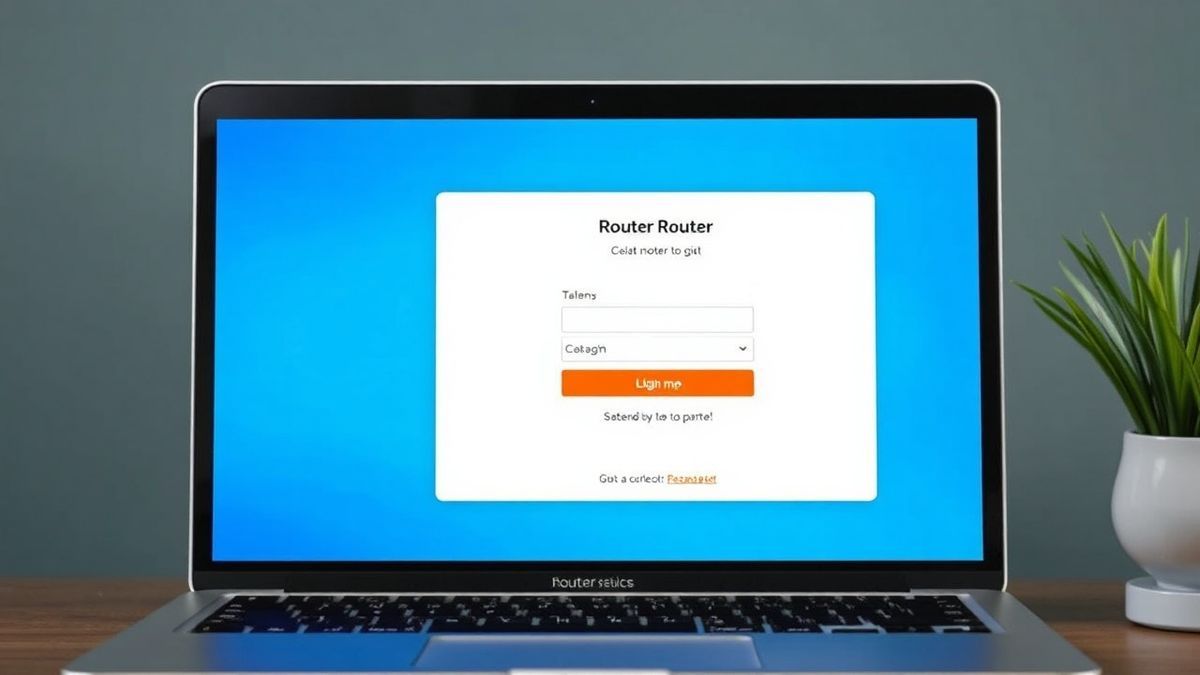
192.168.1.1,192.168.0.1, or192.168.8.1. If you're unsure, check the sticker on the back or bottom of your router. - Enter Username and Password: A login page will appear. Enter the default username and password. If you haven't changed them, common combinations are
adminfor both fields, oradmin/password. - Access the Admin Panel: Click the "Login" button. You will now be inside your router's settings dashboard, ready to make changes.
Default Username and Password for Ooredoo Routers
If you are logging into your router for the first time, you'll need the default credentials. Ooredoo uses routers from various manufacturers like Huawei, ZTE, and Nokia, so the default login information can vary. The most common combinations are:
| Username | Password |
|---|---|
admin | admin |
admin | password |
user | user |
⚠️ Security Warning: Leaving the default username and password is a significant security risk, as they are widely known and can be exploited by malicious software or unauthorized users. It is highly recommended that you change these credentials after your first Ooredoo router login to secure your home network.
What You Can Do After a Successful Router Login
Once you've completed the Ooredoo router login and are inside the admin panel, you have full control over your home network. Here are the most common and essential tasks you can perform:
- Change WiFi Network Name (SSID): Personalize your network to make it easily identifiable.
- Change WiFi Password: Improve your network security by setting a strong, unique password to prevent unauthorized access.
- Update Router Firmware: Keep your router up-to-date with the latest security patches and performance improvements from the manufacturer.
- View Connected Devices: See a list of all devices (laptops, phones, smart TVs) currently connected to your network. This helps you identify any unknown or unauthorized users.
- Set Up Parental Controls: Manage and restrict internet access for specific devices or at certain times of the day to create a safer online environment for children.
- Configure Guest Network: Create a separate WiFi network for visitors, keeping your primary network and its connected devices private and secure.
Troubleshooting Ooredoo Router Login Issues
It's not uncommon to encounter problems when trying to access your router's admin panel. If your Ooredoo router login isn't working, don't worry. Here’s a step-by-step guide to troubleshooting the most frequent issues.
Cannot Access Ooredoo Router Login Page
Why it happens: Your device is not connected to the Ooredoo network, or you are using the wrong IP address. How to fix it:
- Verify Your Connection: Ensure your device is connected to the Ooredoo WiFi or directly to the router via an Ethernet cable.
- Find the Correct IP Address: The default gateway IP is often printed on a sticker on the router itself. If not, open Command Prompt (Windows) or Terminal (Mac) and type
ipconfigornetstat -nr | grep defaultrespectively. Look for the "Default Gateway" address. - Clear Browser Cache: A corrupted cache can sometimes cause loading issues. Try clearing your browser's cache or using a different browser.
Page Not Loading After Entering the IP
Why it happens: A browser issue, or the router is unresponsive. How to fix it:
- Use
http://: Ensure you are typinghttp://before the IP address (e.g.,http://192.168.1.1). Some routers require this. - Restart Your Router: Unplug your Ooredoo router's power cable, wait for 30 seconds, and plug it back in. This is often the simplest fix for a frozen or unresponsive router.
- Disable VPN/Proxy: VPNs and proxy servers can block access to local IP addresses. Temporarily disable them and try again.
Login Failed After Entering Username and Password
Why it happens: You are entering an incorrect username or password. How to fix it:
- Check for Typos: Ensure you are entering the credentials exactly as they appear, paying attention to capitalization (most are lowercase).
- Reset Your Router to Factory Settings: If you’ve forgotten a custom password, you can physically reset the router. Look for a small, recessed "Reset" button on the back of the device. Use a paperclip to press and hold it for 10-15 seconds. This will restore the default username and password, allowing you to log in. Note: This will also erase all your custom WiFi settings.

Frequently Asked Questions
How do I perform an Ooredoo router login? To perform an Ooredoo router login, open a web browser and type your router's default IP address (like 192.168.1.1) into the address bar. Then, enter the admin username and password on the login page that appears. If you don't know your login credentials, check the sticker on your router.
Why is my Ooredoo router login page not loading? This issue is often due to a wrong IP address, a device not connected to the network, or a problem with the browser. First, confirm your device is connected to your Ooredoo WiFi. Next, verify the correct default gateway IP on the router sticker or via your device's network settings. Finally, try clearing your browser cache or restarting your router.
What is the default password for Ooredoo router login? The most common default password for an Ooredoo router is "admin". Other frequent combinations include admin/password or user/user. For precise details, refer to the label on your specific Ooredoo router model.
How can I change my WiFi password after Ooredoo router login? After logging into the admin panel, look for a section labeled "Wireless," "WiFi," or "WLAN Settings." From there, you'll find the field for "WiFi Password," "WPA Pre-Shared Key," or "Security Key." Enter your new password and click "Save" or "Apply." Remember to update your connected devices with the new password.
What should I do if I forgot my Ooredoo router admin password? If you can't log in because you forgot a custom password, you'll need to perform a factory reset. Press and hold the small "Reset" button on the back of your router for about 10-15 seconds. This will restore the default username and password found on the router's sticker.
Can I change my Ooredoo WiFi name (SSID) from the login page? Yes, absolutely. Once you are logged into the admin panel, navigate to the WiFi or Wireless settings. There you will find a field labeled "Network Name (SSID)," "WiFi Name," or similar. Enter your desired new name and save the changes.
Is it safe to keep the default Ooredoo router login credentials? No, it is not safe. Keeping the default username and password makes your home network vulnerable to unauthorized access. After your first login, you should change the admin password and your WiFi password to strong, unique credentials.
🔒 Security Reminder
After logging into your Ooredoo router, always change the default password to protect your network from unauthorized access. Use a strong password with at least 12 characters including letters, numbers, and special symbols.