http://GL.iNet Router Login in the address bar. Use default credentials (usually admin/admin or admin/password) to access the admin panel. Change your password immediately for security. GL.iNet Router Login: The Complete Guide to Access & Configure Your Admin Panel
What is GL.iNet Router Login?
GL.iNet Router Login is the process of accessing your router's admin panel using a private IP address, typically 192.168.8.1. This IP address acts as the default gateway, serving as the entry point to your router's software interface. From here, you can manage every aspect of your home network, from changing your Wi-Fi password to setting up a VPN client. This guide provides a complete, step-by-step walkthrough for a successful GL.iNet Router Login and troubleshooting common access issues.
How to Login to GL.iNet Router
Gaining access to your router’s admin panel is a straightforward process. Follow these steps to complete your GL.iNet Router Login:
- Connect to the Network: Ensure your computer or smartphone is connected to your GL.iNet router’s Wi-Fi network or via an Ethernet cable.
- Open a Web Browser: Launch any browser, such as Chrome, Safari, or Firefox.
- Enter the IP Address: In the address bar, type
http://192.168.8.1and press Enter. This is the standard GL.iNet Router Login address. - Enter Your Admin Password: You will be prompted for a password. Unlike many routers, GL.iNet does not have a default username. You set this password during the initial setup. Enter it and click "Login."
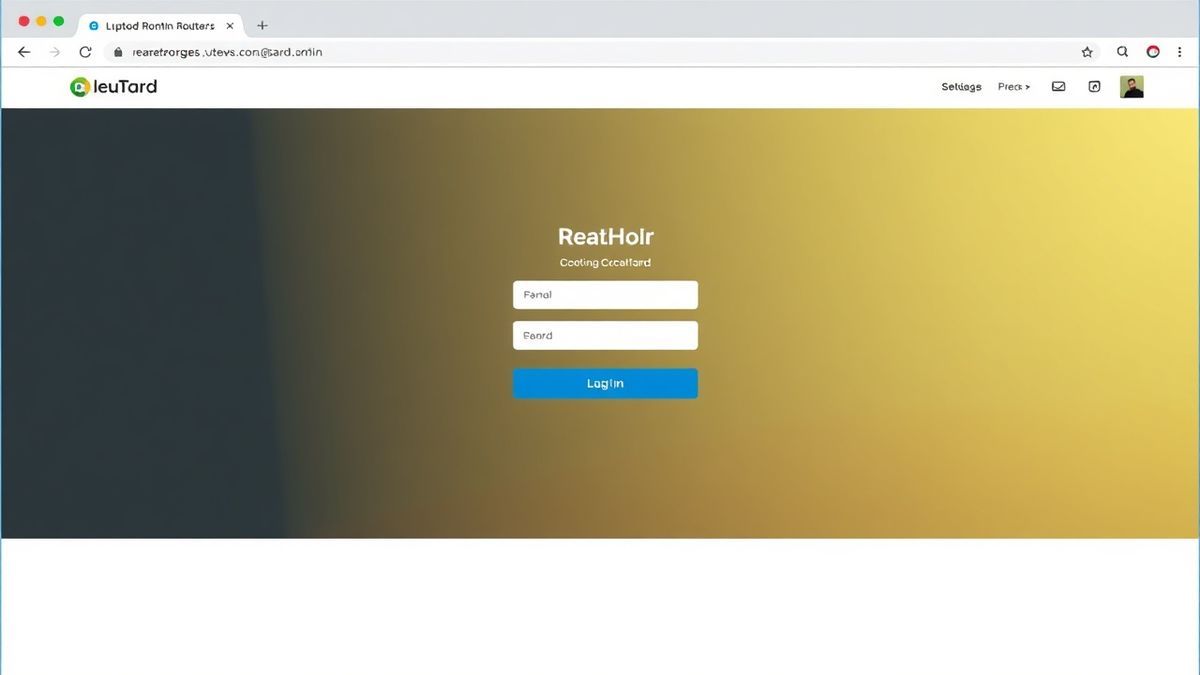
Once logged in, you’ll be in the admin panel, where you can view your router settings, connected devices, and network status.
Default Username and Password for GL.iNet Routers
A common point of confusion is the default login credentials. For GL.iNet routers, the process is slightly different:
- Username: There is no default username. The login screen only asks for a password.
- Password: There is no default password. You are required to create your own admin password during the first-time setup wizard.
If you are using a router that was set up by someone else, you will need that specific password. If you have forgotten it, you cannot bypass the login; a factory reset is required (see the Troubleshooting section below).
Security Note: If you have not changed your admin password from a temporary or simple one, do so immediately. An unsecured admin panel is a major security vulnerability that can allow unauthorized access to your network.
What You Can Do After a Successful GL.iNet Router Login
Once inside the admin dashboard, you have full control over your network. Here are the most common tasks users perform:
Change Wi-Fi Name (SSID) and Password
- After logging in, select the WIRELESS menu.
- Click Modify next to either the 2.4GHz or 5GHz band.
- Enter your new network name in the Wi-Fi Name (SSID) field.
- Enter your new password in the Wi-Fi Key field.
- Click Apply to save the changes.
Set Up a VPN Client
GL.iNet routers are renowned for their built-in VPN support. In the admin panel, you can navigate to the VPN section to upload configuration files for services like OpenVPN or WireGuard, securing your entire home network.
View Connected Devices
The Clients page shows every device connected to your network, allowing you to identify and block any unauthorized users.
Troubleshooting GL.iNet Router Login Not Working
Encountering issues when trying to access your router is frustrating. Here are the most common problems and their solutions.
Cannot Access GL.iNet Router Login Page
Problem: You type 192.168.8.1 into your browser, but the page does not load.
Cause & Solution: This usually indicates a connection issue.
- Check Your Connection: Ensure your device is connected to the router’s Wi-Fi or via Ethernet. If you are connected to a different network (like a neighbor’s Wi-Fi or mobile data), you cannot access your router’s private IP address.
- Verify the IP Address: Your router’s default gateway may have been changed. To find the correct address, open your device’s network settings and look for the "Router" IP address. It might be
192.168.1.1or another common default gateway. - Use the Correct URL: Ensure you are typing
http://and nothttps://. Some browsers may default to HTTPS, which can cause a connection error on a local network.
No Response After Entering the IP Address
Problem: The browser sits and loads indefinitely or eventually gives a "site can't be reached" error.
Cause & Solution: This is often a browser cache or IP conflict issue.
- Clear Browser Cache: A corrupted cache can prevent the login page from loading. Try using an incognito or private browsing window.
- Restart Your Devices: Unplug your GL.iNet router from power, wait 30 seconds, and plug it back in. Restart your computer or phone as well. This resolves most temporary network glitches.
Login Failed After Entering Password
Problem: You enter a password, but the login page reloads with an error message.
Cause & Solution: The password you entered is incorrect.
- Check for Typos: Passwords are case-sensitive. Ensure Caps Lock is off and you are typing the correct password.
- Factory Reset the Router: If you have forgotten the admin password and cannot access the panel, the only solution is to reset the router to its factory settings.
- Locate the Reset button on the back or bottom of the router (usually a small pinhole).
- While the router is powered on, use a paperclip to press and hold the button for 10 seconds.
- Release the button. The router will reboot with all settings cleared, including the admin password. You will then need to go through the initial setup again, where you can create a new password.

Frequently Asked Questions
How do I login to my GL.iNet router?
Connect your device to the router’s network, open a web browser, enter http://192.168.8.1 in the address bar, and enter the admin password you created during setup.
Why is my GL.iNet Router Login not working?
This is commonly due to being disconnected from the router’s Wi-Fi, using the wrong IP address, or entering an incorrect admin password. A factory reset is needed if the password is forgotten.
What is the default password for GL.iNet Router Login?
There is no default password. You set your own admin password the first time you set up the router.
What can I do if I forgot my GL.iNet router password?
You must perform a factory reset by holding the reset button on the back of the router for 10 seconds. This will erase all your settings, allowing you to create a new password during the initial setup.
Can I change my Wi-Fi password after a GL.iNet Router Login?
Yes, after logging into the admin panel, go to the WIRELESS section, click Modify next to your Wi-Fi band (2.4G or 5G), and enter a new password in the Wi-Fi Key field.
What is the IP address for the GL.iNet admin panel?
The default IP address for GL.iNet routers is 192.168.8.1. If this doesn't work, check your computer's network settings to find the current default gateway.
How do I access my router settings from my phone?
Ensure your phone is connected to your GL.iNet Wi-Fi. Open a mobile browser like Safari or Chrome, go to http://192.168.8.1, and enter your admin password. The interface is mobile-friendly for easy management.
Is it safe to leave the router admin panel on the default IP?
Yes, it is safe. The risk comes from weak passwords, not the IP address itself. Always use a strong, unique admin password to secure your router.
🔒 Security Reminder
After logging into your GL.iNet router, always change the default password to protect your network from unauthorized access. Use a strong password with at least 12 characters including letters, numbers, and special symbols.