http://Rogers Modem Login in the address bar. Use default credentials (usually admin/admin or admin/password) to access the admin panel. Change your password immediately for security. Rogers Modem Login Tool: Access Router Settings Easily
What is Rogers Modem Login
A Rogers modem login is the process of accessing your router’s admin panel using its private IP address, which serves as the default gateway for your home network. This gateway address—typically 10.0.0.1 or 192.168.0.1—is the key to unlocking your modem’s software. Once you’re in, you can manage router settings, update your WiFi password, and troubleshoot connectivity issues. In short, it’s the central control hub for your Rogers internet service.
How to Login to Rogers Modem Login
Gaining access to your Rogers modem is a straightforward process. The exact steps may vary slightly depending on your specific modem model, but the core process remains the same. Follow this guide to reach your admin panel.
- Connect to Your Network: Ensure your computer or mobile device is connected to your Rogers home WiFi network or directly to the modem via an Ethernet cable.
- Open a Web Browser: Launch any web browser, such as Chrome, Safari, Firefox, or Edge.
- Enter the IP Address: In the browser’s address bar, type the private IP address for your modem. For most Rogers modems, this is either
10.0.0.1or192.168.0.1. Press Enter. - Handle Security Warnings: If you see a privacy or connection warning (common with
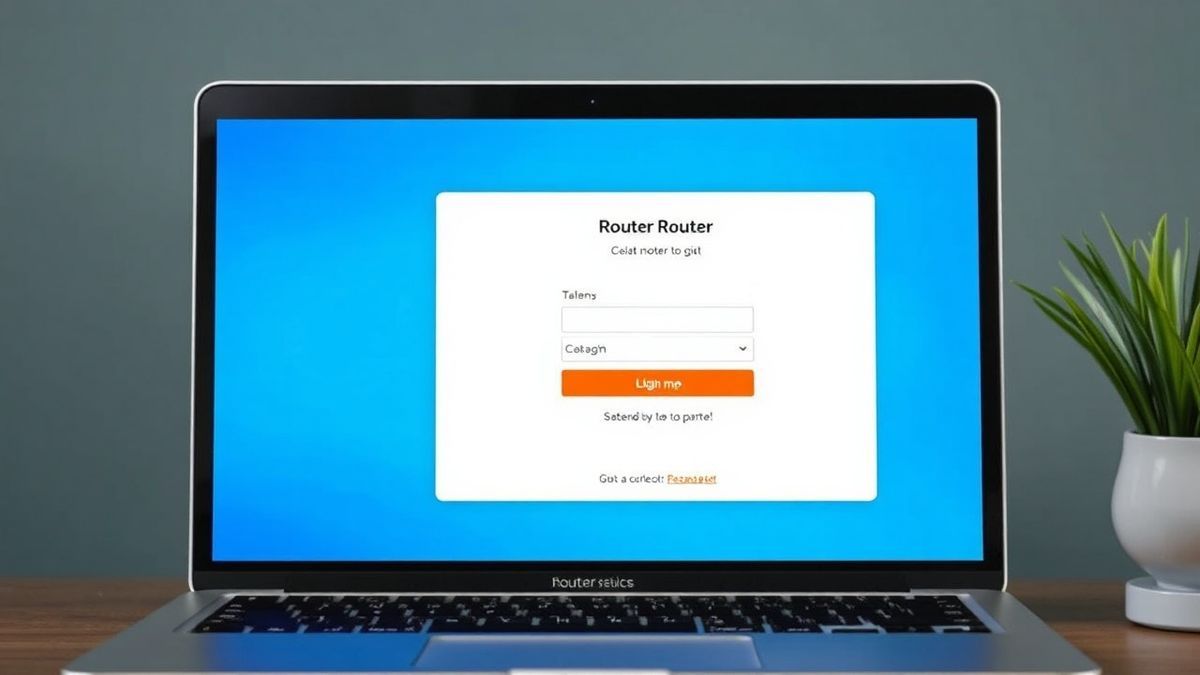
10.0.0.1), it’s safe to proceed. Click Advanced and then Proceed to the site. - Enter Login Credentials: A login page will appear. Enter the username and password for your modem. If you haven't changed them, use the default credentials listed in the next section.
- Access the Admin Panel: Click the Login or Sign In button. You should now be inside the admin panel, where you can manage your network.
Default Username and Password for Rogers Modems
One of the most common hurdles to a successful Rogers modem login is using the correct login credentials. Rogers uses different default usernames and passwords depending on the modem model.
Here are the most common default combinations:
| Modem Model | Username | Default Password |
|---|---|---|
| Ignite WiFi Gateway | Admin | password |
| Hitron (CODA-4582, etc.) | Cusadmin | password (or your WiFi password) |
| Cisco DPC3825 | Cusadmin | password (or your WiFi password) |
| SMC D3GN | Cusadmin | password (or your WiFi password) |
A Critical Note on Security: For security reasons, it is highly recommended to change the default password for your admin panel immediately after your first login. Leaving the default credentials in place makes your network vulnerable to unauthorized access.
What You Can Do After Login
Once you've successfully completed your Rogers modem login, you gain access to a powerful suite of tools to manage your home network. Here are some of the most common and useful tasks you can perform:
- Change Your WiFi Network Name (SSID): Personalize your network to make it easily identifiable. Navigate to the Wireless or WiFi settings section to update the name.
- Change Your WiFi Password: This is the best way to secure your network from unwanted guests. Look for a field labeled Network Password, Pre-Shared Key, or Wireless Password.
- View Connected Devices: See exactly which devices—from laptops to smart TVs—are currently using your network. This can help you identify unknown devices and manage bandwidth.
- Adjust Router Settings: For advanced users, you can configure settings like port forwarding for gaming, enable a guest network, or update your modem’s firmware.
- Troubleshoot Connection Issues: The admin panel often provides diagnostic tools and system logs that can help you identify the root cause of internet drops or slow speeds.
Troubleshooting Rogers Modem Login Not Working
It’s frustrating when you can't access your own router. If your Rogers modem login is failing, don’t worry—it’s a common issue with several straightforward fixes. Below are the most frequent problems and how to solve them.
Cannot Access Rogers Modem Login / Page Not Loading
If you type in the IP address and the page never loads, the issue is likely with the network connection or the IP address itself.
- Check Your Connection: First, ensure your device is connected to your Rogers network. You can try connecting via an Ethernet cable to rule out WiFi issues.
- Verify the IP Address: Confirm you’re using the correct address. Most Rogers modems use
10.0.0.1, but some older models use192.168.0.1. If neither works, you can find your router's default gateway:- Windows: Open Command Prompt, type
ipconfig, and press Enter. Look for the number next to Default Gateway. - Mac: Go to System Settings > Network, select your connection, and click Details. Look for Router.
- Windows: Open Command Prompt, type
- Try a Different Browser: Sometimes, browser cache or extensions can cause loading issues. Try a different browser or open an incognito/private window.
- Restart Your Modem: A simple power cycle can resolve many connectivity issues. Unplug your modem, wait 30 seconds, and plug it back in. Once fully rebooted, try logging in again.
Login Failed After Entering Credentials
You see the login page, but entering your username and password results in an error.
- Use Default Credentials: If you've never changed them, try the default combinations listed above. Ensure "Admin" is capitalized correctly for the Ignite modem and that you aren't confusing your WiFi password with the admin password.
- Password is Case-Sensitive: Remember that passwords are case-sensitive. Double-check that Caps Lock is off.
- Factory Reset Your Modem: If you’ve forgotten a custom password, you’ll need to perform a factory reset. Look for a small, recessed "Reset" button on the back of your modem. Use a paperclip to press and hold it for 15-30 seconds. This will restore all settings—including the login credentials—to their factory defaults. Be aware that this will also reset your custom WiFi name and password.

Frequently Asked Questions
How do I find my Rogers modem's IP address? The most common addresses are 10.0.0.1 and 192.168.0.1. If these don't work, you can find it by opening Command Prompt (Windows) or Terminal (Mac) and typing ipconfig or netstat -nr | grep default respectively. Look for your "Default Gateway."
What is the default username and password for a Rogers modem? For the Rogers Ignite WiFi Gateway, the default username is Admin and the password is password. For most other models like Hitron, Cisco, and SMC, the username is Cusadmin and the password is password or your current WiFi password.
Why can’t I log in to my Rogers modem admin panel? This is usually due to three reasons: using the wrong IP address, not being connected to the network, or entering incorrect login credentials. Refer to the troubleshooting section above for detailed steps to resolve each issue.
How do I change my WiFi password after a Rogers modem login? Once logged in, navigate to the Wireless or WiFi section of the admin panel. Look for a field labeled Network Password, Pre-Shared Key, or Wireless Password. Enter your new password and click Save or Apply. Your WiFi devices will disconnect and need to reconnect using the new password.
Is the Rogers modem login page the same as the Ignite WiFi Hub app? No, they are different. The Rogers modem login (10.0.0.1) gives you access to the detailed, technical settings of the modem itself. The Ignite WiFi Hub app is a separate application that offers a more user-friendly interface for basic tasks like setting up a guest network or parental controls, but it may not expose all the advanced settings found in the browser-based admin panel.
🔒 Security Reminder
After logging into your Rogers Modem router, always change the default password to protect your network from unauthorized access. Use a strong password with at least 12 characters including letters, numbers, and special symbols.