http://Safaricom Router Login in the address bar. Use default credentials (usually admin/admin or admin/password) to access the admin panel. Change your password immediately for security. Safaricom Router Login Tool: Access & Configure Easily
What is Safaricom Router Login?
A Safaricom Router Login is the process of accessing your router’s admin panel using its private IP address (the default gateway). This address, typically 192.168.0.1 or 192.168.8.1, is a unique identifier on your home network. Logging in grants you access to the router’s firmware, allowing you to manage security settings, change your WiFi password, and optimize network performance.
How to Login to Safaricom Router Login
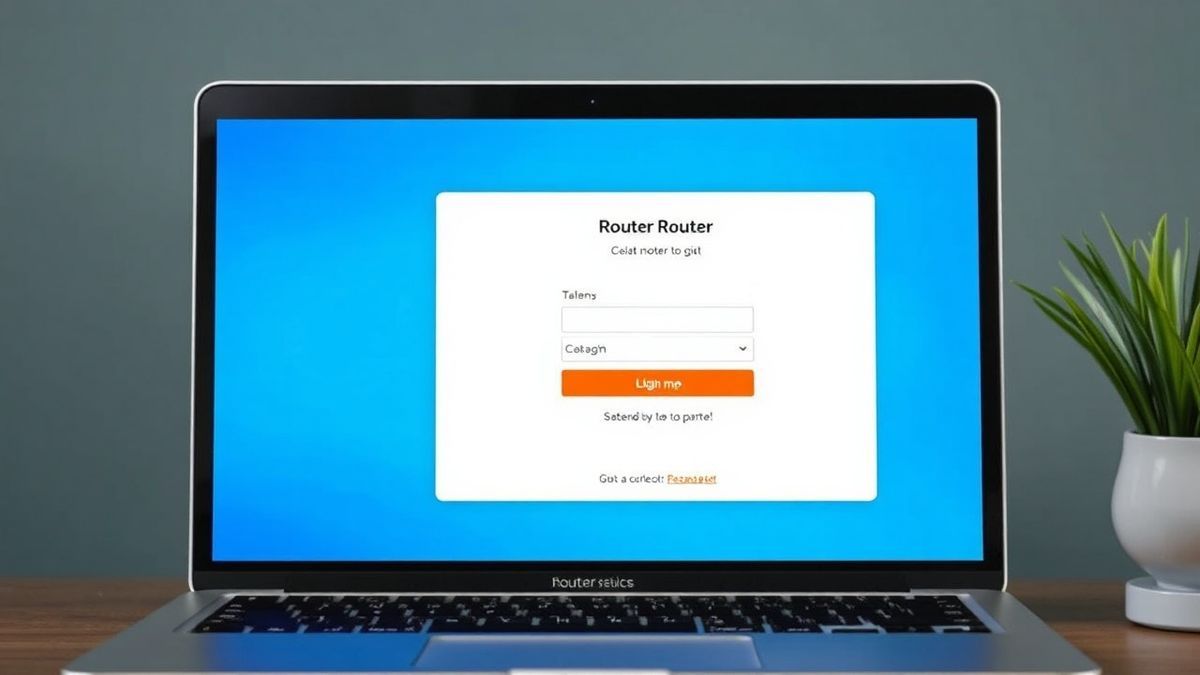
Accessing your router’s admin panel is a straightforward process. Follow these steps to perform a Safaricom Router Login:
- Connect to Your Network: Ensure your computer or smartphone is connected to your Safaricom router’s WiFi network or via an Ethernet cable.
- Open a Web Browser: Launch Chrome, Safari, Firefox, or any browser of your choice.
- Enter the IP Address: In the address bar, type your router’s default gateway IP. For most Safaricom routers, this is either
192.168.0.1or192.168.8.1. Press Enter. - Enter Login Credentials: A login page will appear. Enter the username and password. If you haven't changed them, use the default credentials found on the sticker on the back or bottom of your router.
- Access Admin Panel: Click the “Login” or “Sign In” button. You will now be in the router’s settings interface.
Default Username and Password
If this is your first time logging in, you’ll need the default credentials. These are unique to each router model and are printed on a physical sticker attached to the device. Common default combinations include:
| Router Model | Default IP Address | Default Username | Default Password |
|---|---|---|---|
| Huawei HG8145V5 | 192.168.100.1 | root | (Printed on router) |
| Safaricom Home 4G (Huawei) | 192.168.8.1 | (Leave blank) | (Printed on router) |
| Adrian AK3300 | 192.168.0.1 | (Leave blank) | admin_4Gfwa |
Important Security Note: Leaving your router with the default password is a significant security risk. Anyone connected to your network could potentially change your settings. It is highly recommended to change this password during your first login.
What You Can Do After Login
Once inside the admin panel, you have full control over your home network. Here are the most common tasks users perform:
- Change WiFi Password & SSID: Update your network name and password to something more memorable and secure.
- View Connected Devices: See a list of all devices connected to your network to identify unauthorized users.
- Update Firmware: Check for and install the latest firmware to improve router stability and security.
- Parental Controls: Set up restrictions to manage internet access for specific devices.
- Port Forwarding: Configure advanced settings for gaming or hosting a server.
Troubleshooting Safaricom Router Login Not Working
It’s frustrating when you can’t access your router settings. If your Safaricom Router Login is failing, use this guide to diagnose and fix the problem.
Cannot access Safaricom Router Login (Page not loading)
Symptoms: You type the IP address, but the browser says “This site can’t be reached” or the page just keeps loading.
- Incorrect IP Address: The most common cause is using the wrong IP. Verify your router’s default gateway.
- Solution: On Windows, open Command Prompt and type
ipconfig. Look for “Default Gateway” under your active network adapter. On a Mac, go to System Settings > Network > Wi-Fi/Ethernet and find “Router.” Use that IP address to log in.
- Solution: On Windows, open Command Prompt and type
- Connection Issue: Your device might not be properly connected to the network.
- Solution: Ensure you are connected to the router’s WiFi. If using a wired connection, try a different Ethernet cable or port.
Login Failed (Incorrect Username/Password)
Symptoms: You enter the credentials, and the page refreshes with a “Login Failed” or “Incorrect Password” error.
- Incorrect Defaults: You might be using the wrong default username and password.
- Solution: Check the sticker on the router one more time. If it’s not there, try common combinations like
admin/adminoradmin/password. For Safaricom routers, the password is often a long string of characters unique to your device.
- Solution: Check the sticker on the router one more time. If it’s not there, try common combinations like
- Password Was Changed: If you or someone else previously changed the password and you forgot it, the default credentials won’t work.
- Solution: You must perform a factory reset to revert the router to its original settings. Locate the small, recessed “Reset” button on the back of the router. Use a paperclip to press and hold it for 10-15 seconds until the lights blink. This will restore the default username and password.
No Response After Entering IP
Symptoms: The IP address doesn’t load and there’s no error message; the browser just hangs.
- Browser Cache Issues: Your browser might be trying to load an old, corrupted page.
- Solution: Clear your browser’s cache and cookies, or try accessing the router login page using an “Incognito” or “Private” browsing window.
- IP Conflict: Another device on your network might be using the same IP address as your router.
- Solution: Restart your router and your computer. This usually forces the network to reassign IP addresses correctly.

Page is Insecure or Has a Security Warning
Symptoms: Your browser shows a warning saying “Your connection is not private” or “Connection is insecure.”
- Self-Signed Certificate: Router admin panels use basic security certificates that your browser doesn’t recognize.
- Solution: This is normal for local network logins. Click “Advanced” and then “Proceed to [IP address] (unsafe).” You are safe as long as you are on your own private network.
Frequently Asked Questions
1. How do I login to my Safaricom Router Login? To log in, connect to your router’s WiFi, open a browser, and enter your router’s IP address (either 192.168.0.1 or 192.168.8.1). Then, enter the username and password from the sticker on your router.
2. Why is my Safaricom Router Login not working? This is usually due to an incorrect IP address, a forgotten password, or a connection issue. Check your device’s default gateway address and ensure you’re connected to the network. If you’ve forgotten the password, you’ll need to reset your router to its factory settings.
3. What is the default password for my Safaricom router? The default password is unique to your device and is printed on a sticker on the back or bottom of the router. Common models like the Huawei HG8145V5 use a password found on the device, while the Adrian AK3300 uses admin_4Gfwa.
4. What is the IP address for the Safaricom Home 4G router? The most common IP address for the Safaricom Home 4G WiFi router is 192.168.8.1. However, some models like the fiber router (Huawei HG8145V5) use 192.168.100.1.
5. How can I change my WiFi password after a Safaricom Router Login? After logging into the admin panel, look for a menu called “Wi-Fi Settings,” “WLAN,” or “Wireless.” Inside, you’ll find fields for “SSID” (network name) and “Password” or “WPA PreSharedKey.” Enter your new details and save the changes.
6. How do I reset my Safaricom router if I forgot the password? Find the small “Reset” button on the back of your router. Use a paperclip or pin to press and hold it for about 10-15 seconds. Release the button when all the lights on the front of the router blink. This will restore all settings to factory defaults, including the login password.
7. Is it safe to access my router admin panel? Yes, accessing your own router’s admin panel is safe and recommended for managing your network. The connection is local and not transmitted over the internet. However, always ensure you change the default login password to prevent unauthorized access from within your network.
🔒 Security Reminder
After logging into your Safaricom router, always change the default password to protect your network from unauthorized access. Use a strong password with at least 12 characters including letters, numbers, and special symbols.