http://Mywifiext.local in the address bar. Use default credentials (usually admin/admin or admin/password) to access the admin panel. Change your password immediately for security. Mywifiext.local Setup Tool: Fix Login & Extender Issues Fast
What is Mywifiext.local
Mywifiext.local is a private web address used to access the admin panel of your Netgear WiFi range extender. Unlike a standard website, this address resolves to a private IP address on your local network, acting as a default gateway to your extender’s internal settings. It’s the primary tool for configuring your extender, changing WiFi passwords, and managing network settings after the initial setup.
How to Login to Mywifiext.local
Logging into your extender is a straightforward process. Follow these steps carefully to access the admin panel:
- Connect to the Extender: Ensure your computer or mobile device is connected to your Netgear extender’s network. This is often named "NETGEAR_EXT" or a similar variation before setup.
- Open a Browser: Launch any web browser (like Chrome, Safari, or Firefox) on your connected device.
- Enter the Address: In the browser’s address bar, type
http://mywifiext.localand press Enter. If you’re on an older Windows device, you can also tryhttp://mywifiext. - Log In: You will be prompted for a username and password. If it’s your first time setting up, you’ll be guided to create a new admin account. If you’ve already set it up, enter your admin credentials to access the dashboard.
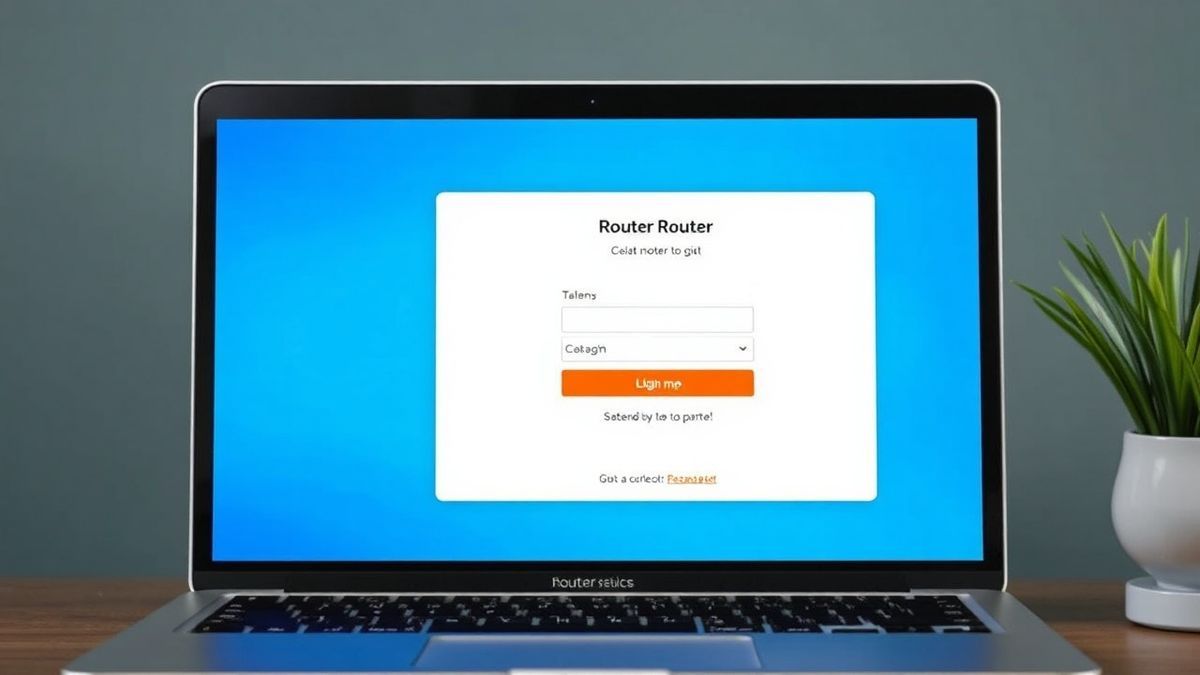
Default Username and Password
If you are prompted for a login but haven’t set up an admin account, your extender might still be using default credentials. However, most modern Netgear extenders require you to create an admin account during the initial setup, which means there is no universal default.
If you encounter a login screen and have never set a password, try the following legacy combinations:
-
Username: admin
-
Password: admin
-
Username: admin
-
Password: password
Important Security Note: If you are still using a default or common password, you should change it immediately. Leaving your admin panel with a weak password is a significant security risk, as it could allow unauthorized users to access and change your network settings.
What You Can Do After Login
Once you're inside the Mywifiext.local admin panel, you have full control over your extender and its interaction with your main router. Here are the most common tasks:
- Change WiFi Password & Network Name (SSID): This is the most frequent reason for logging in. You can update the password for your extended network to something more secure or change its name to match your main router for seamless roaming.
- Check Extender Status: The dashboard will show you the signal strength between your extender and router, and which devices are currently connected.
- Update Firmware: Keeping your extender's firmware up-to-date ensures optimal performance, stability, and security.
- Adjust Router Settings: For advanced users, you can manage IP address settings, enable features like FastLane technology, or perform a factory reset if needed.
Troubleshooting Mywifiext.local Not Working
It's common to encounter problems when trying to access Mywifiext.local. This section provides practical solutions for the most frequent issues.
Cannot access Mywifiext.local
Cause: The most common reason is that your device is not connected to the extender’s network. You might be connected to your main router or a neighbor's WiFi by mistake.
Solutions:
- Verify Connection: Check your device’s WiFi settings and ensure you are connected to your Netgear extender’s network (e.g., NETGEAR_EXT).
- Proximity: Temporarily move your extender and your computer into the same room to ensure a strong, stable connection for setup.
- Power Cycle: Unplug your extender from the power outlet, wait 30 seconds, and plug it back in. Wait for the power light to become stable before trying again.
Page not loading / "This site can’t be reached"
Cause: This often points to a browser caching issue, an incorrect URL, or a problem with the connection between your extender and router.
Solutions:
- Use the Correct URL: Try alternative addresses. For most devices, use
http://mywifiext.local. For Windows, tryhttp://mywifiext. If all else fails, you can use the extender’s default IP address, which is typicallyhttp://192.168.1.250. - Clear Browser Cache: Clear your browser's cache and cookies, or try using a different browser entirely.
- Ethernet Connection: As a final step, use an Ethernet cable to connect your computer directly to the extender. This creates a direct, wired connection and bypasses any WiFi-related issues, allowing you to access the admin panel.
No response after entering IP address
Cause: Your device may not be receiving a valid IP address from the extender.
Solution:
- Renew IP Address: On your computer, open the command prompt (or terminal) and type
ipconfig /releasefollowed byipconfig /renew(Windows) or renew your DHCP lease in your network settings (Mac). This forces your device to request a new, valid IP address from the extender.
Login failed after entering username and password
Cause: You have simply forgotten the admin password you created during setup.
Solutions:
- Try Common Credentials: If you haven't changed it, try the defaults like admin/admin. If you've set it up but can't remember, there's no way to recover it.
- Factory Reset: The only solution is to perform a factory reset on the extender. Locate the small "Reset" or "Factory Reset" button on the extender (often a pinhole). Use a paperclip to press and hold it for 10-15 seconds until the lights flash. This will restore all settings to their default state, allowing you to go through the initial setup again.

Frequently Asked Questions
Q: How do I login to Mywifiext.local for the first time? A: Connect to your extender’s default WiFi network (e.g., NETGEAR_EXT), open a browser, and type http://mywifiext.local. The setup wizard will then guide you through creating an admin account and connecting to your main router.
Q: Why is Mywifiext.local not working even though I’m connected to WiFi? A: You are likely connected to your main router’s WiFi, not the extender’s. Your device must be connected to the extender’s network to access its admin page. Check your WiFi list and connect to the correct network.
Q: What is the default password for Mywifiext.local? A: For Netgear extenders, there is no universal default admin password. During the initial setup, the system forces you to create your own admin password for the extender’s settings.
Q: I forgot my admin password. How can I access Mywifiext.local? A: You cannot recover a lost admin password. The only way to regain access is to perform a physical factory reset on the extender by holding the Reset button for 10-15 seconds. You can then set it up again as new.
Q: Can I use Mywifiext.local to change my main router’s WiFi password? A: No, Mywifiext.local only manages your Netgear extender. To change your main router’s password, you need to log into your router’s admin panel using its own IP address (often 192.168.1.1 or 192.168.0.1).
Q: What’s the difference between mywifiext.local and 192.168.1.250? A: They both lead to the same extender admin panel. mywifiext.local is a web address that your extender automatically translates to its private IP address (192.168.1.250). Use the web address for simplicity, or the IP address if the web address fails to load.
Q: My extender is set up but I can’t access Mywifiext.local anymore. A: Once set up, your extender adopts your network settings. You can now access it by typing its new IP address into your browser. You can find this IP address by checking the list of connected devices in your main router’s admin panel.
🔒 Security Reminder
After logging into your Mywifiext.local router, always change the default password to protect your network from unauthorized access. Use a strong password with at least 12 characters including letters, numbers, and special symbols.