http://Cisco Meraki Router Login in the address bar. Use default credentials (usually admin/admin or admin/password) to access the admin panel. Change your password immediately for security. Cisco Meraki Router Login: The Ultimate Guide to Cloud Dashboard Access
What is Cisco Meraki Router Login?
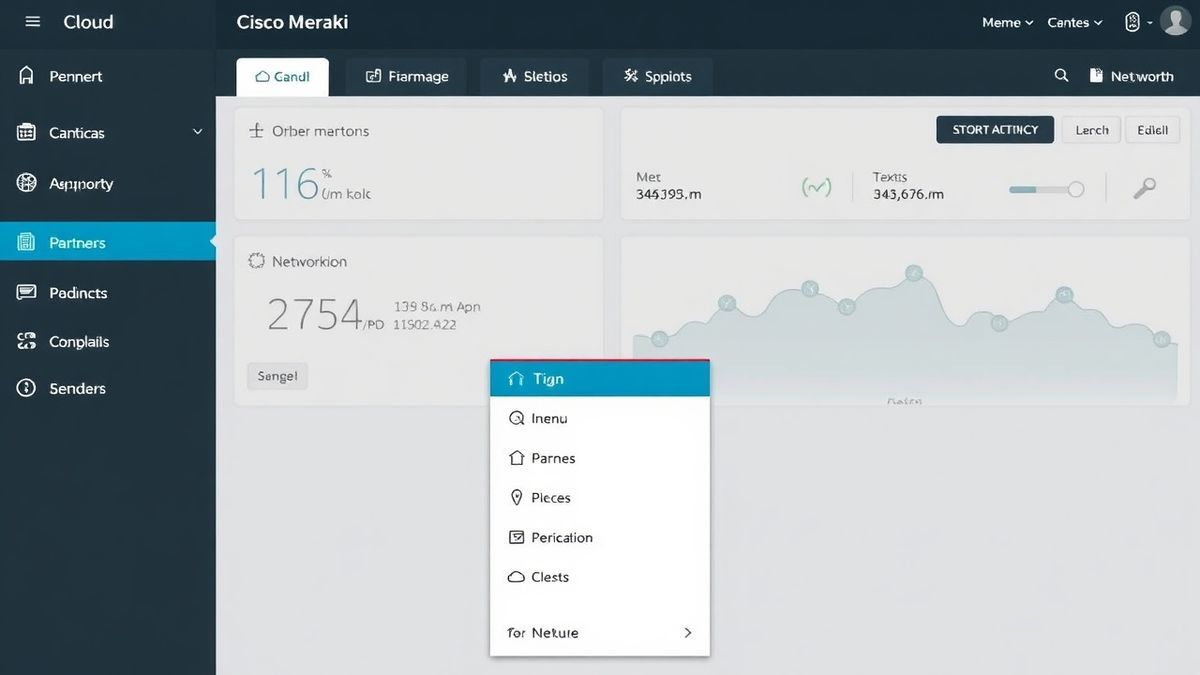
A Cisco Meraki Router Login is the process of accessing your Meraki device’s cloud-based administration panel. Unlike traditional routers that use a local private IP (such as 192.168.1.1) as a default gateway, Meraki devices are primarily managed through a web dashboard. This centralized portal allows network administrators to configure firewall rules, monitor traffic, and manage WiFi settings securely from anywhere. The gateway to this control panel is typically accessed via a URL (my.meraki.com) rather than a standard IP address, bridging local hardware management with cloud convenience.
How to Login to Cisco Meraki Router
Accessing your Meraki router requires a straightforward process, though it differs slightly from traditional router logins. Follow these steps to reach the admin panel:
- Open a Web Browser: Use Chrome, Firefox, Safari, or Edge on a computer connected to the Meraki network.
- Navigate to the Dashboard: In the address bar, type
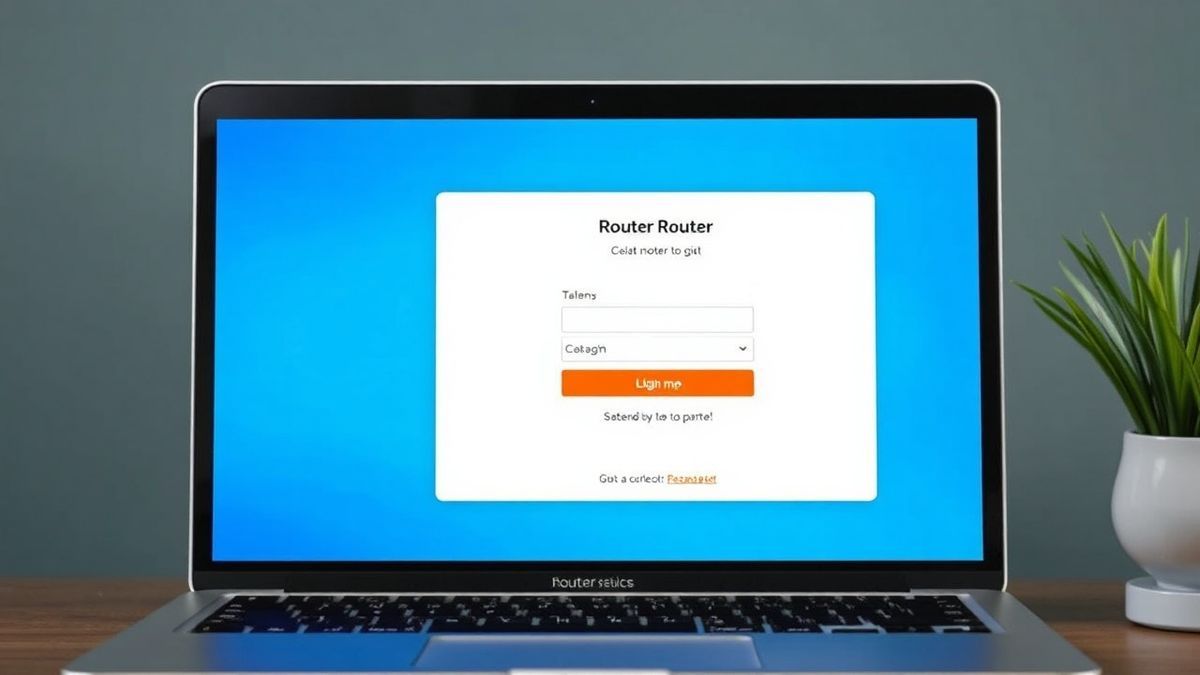
http://my.meraki.comand press Enter. If this doesn’t work, you may need to use the local status page by entering the device’s LAN IP address (found via the Meraki Go app or your network list). - Enter Credentials: Input your Username and Password. For cloud accounts, these are the credentials you used to set up your Meraki organization. For local access, the credentials vary (see the section below).
- Access the Admin Panel: Click Log in. You will be redirected to the main Cisco Meraki Router Login dashboard where you can manage network settings.
Default Username and Password for Meraki
Unlike consumer routers that often use "admin/admin," Meraki security relies on distinct layers. Here is how credentials work:
- Cloud Dashboard: There is no default "admin/admin" for the cloud. You must create an account during initial setup. If you are the administrator, you use your email and password.
- Local Status Page: If you are trying to access the device locally (via its IP) for troubleshooting, the default login is usually:
- Username: The device’s Serial Number (including hyphens, e.g., Q2XX-XXXX-XXXX), found on the bottom of the hardware.
- Password: Leave this field blank (unless a local password was configured in the app).
Security Note: If you are using a local password, it is highly recommended to change it from the default blank state to prevent physical security breaches. For the cloud dashboard, always enforce Multi-Factor Authentication (MFA) to protect your admin panel.
What You Can Do After Login
Once you have completed the Cisco Meraki Router Login process, the cloud dashboard gives you complete control over your network. Here are the most common administrative tasks:
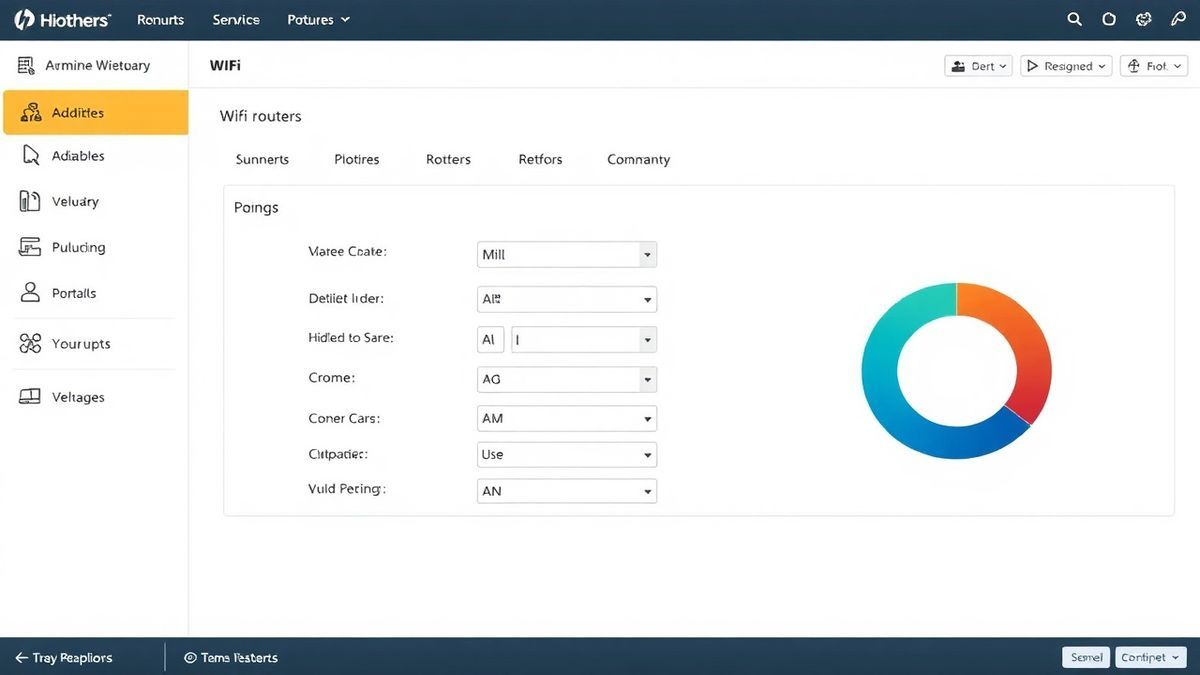
- Change WiFi Password and SSID: Navigate to Wireless > Configure > SSIDs. Select your network, rename it, and update the pre-shared key (PSK) to secure your WiFi.
- Configure Firewall & Traffic Shaping: Go to Security & SD-WAN > Configure > Firewall to set Layer 3 and Layer 7 rules, blocking unwanted applications or websites.
- Monitor Network Usage: Use the Network-wide > Clients section to see which devices are connected, their IP addresses, and bandwidth consumption.
- Manage Local Status Page Credentials: To secure the physical device, go to Network-wide > Configure > General > Device configuration to set a password for the local status page.
Troubleshooting Cisco Meraki Router Login Not Working
Encountering errors during login is common, especially when dealing with a hybrid cloud-local architecture. Below are solutions to the most frequent access issues.
Cannot access my.meraki.com
Why this happens: DNS resolution failure, incorrect network connectivity, or the device is not connected to the Meraki network. Solutions:
- Ensure your computer is connected to the same network as the Meraki device (wired or WiFi).
- Try accessing the local status page directly. Open a browser and enter the device’s IP address (e.g., 10.0.0.1 or 192.168.1.1). You can find the IP in the Meraki Go app under Hardware > LAN IP.
- Flush your DNS cache: Open Command Prompt and type
ipconfig /flushdns.
Page not loading / No response after entering IP
Why this happens: The device might be offline, or there is an IP conflict on the network. Solutions:
- Check the physical LEDs on the Meraki device. Ensure the power light is solid white or green.
- Verify your computer’s private IP settings. Ensure you are obtaining an IP address automatically via DHCP.
- If the device is unreachable, try power-cycling the Meraki router (unplug the power cord, wait 10 seconds, and plug it back in).
Login failed (Invalid Credentials)
Why this happens: Incorrect cloud account details or a mismatch between local credentials. Solutions:
- For Cloud Access: Use the "Forgot password?" link on the login page to reset your Meraki dashboard credentials.
- For Local Access: If you set a password but forgot it, you may need to perform a factory reset. Press and hold the reset button on the device for 10 seconds. After reset, use the Serial Number as the username with a blank password.
- Clear your browser cache and cookies, as corrupted cache can sometimes interfere with authentication tokens.

Frequently Asked Questions
How do I perform a Cisco Meraki Router Login if I forgot my password? If you forget your cloud password, click "Forgot password" on the my.meraki.com login page. An email will be sent to your registered administrator email to reset it. If you forgot the local status page password, you must perform a factory reset using the physical reset button on the device.
Why is my Cisco Meraki Router Login not working with the correct password? This often indicates a distinction between cloud and local credentials. Ensure you are trying to log into the correct interface. If logging in via my.meraki.com, use your cloud email and password. If logging in via the local IP, use the device serial number (or "admin") and the specific local password you set.
What is the default IP address for Cisco Meraki Router Login? Meraki devices do not have a universal default gateway IP like 192.168.1.1. They are managed primarily via the cloud at my.meraki.com. For local troubleshooting, the LAN IP is assigned by your upstream router or DHCP server. You can find this IP in the Meraki Go app or your router’s DHCP client list.
How do I change the WiFi password after logging into the Meraki Dashboard? After completing the Cisco Meraki Router Login, navigate to Wireless > Configure > Access Control. Select your SSID from the dropdown menu. Under "Network access," select Pre-shared key (PSK) and enter your new password. Click Save Changes to apply.
Can I access my Meraki router if the internet is down? Yes. If the internet is down, you cannot access the cloud dashboard (my.meraki.com). However, you can access the Local Status Page by entering the device’s private IP address (default gateway) into your browser. This allows you to check connectivity, reboot the device, or view local configuration even without WAN access.
How do I secure my Meraki admin panel? To secure your admin panel, enable Multi-Factor Authentication (MFA) for all administrator accounts in the Meraki dashboard. Additionally, navigate to Network-wide > Configure > General to set a strong local password for the status page, ensuring that even physical access to the device does not compromise security.
🔒 Security Reminder
After logging into your Cisco Meraki router, always change the default password to protect your network from unauthorized access. Use a strong password with at least 12 characters including letters, numbers, and special symbols.