http://BT Hub Manager Login in the address bar. Use default credentials (usually admin/admin or admin/password) to access the admin panel. Change your password immediately for security. BT Hub Manager Login: Secure Access & Complete Configuration Guide
What is BT Hub Manager Login
The BT Hub Manager Login is the web-based control panel for your BT Smart Hub or Business Hub router. It acts as the central dashboard where you can manage your home or office network. To access it, you use a private IP address, typically 192.168.1.254, which serves as your router’s default gateway. This admin panel is the dedicated gateway for administrators to configure network security, monitor connected devices, and optimize broadband settings.
How to Access the BT Hub Manager Login Tool
Gaining access to your router’s admin panel is a straightforward process. Follow these steps to open the BT Hub Manager Login interface:
- Connect to Your Network: Ensure your computer or mobile device is connected to the BT Hub (either via WiFi or Ethernet cable).
- Open a Web Browser: Launch any browser such as Chrome, Safari, Firefox, or Edge.
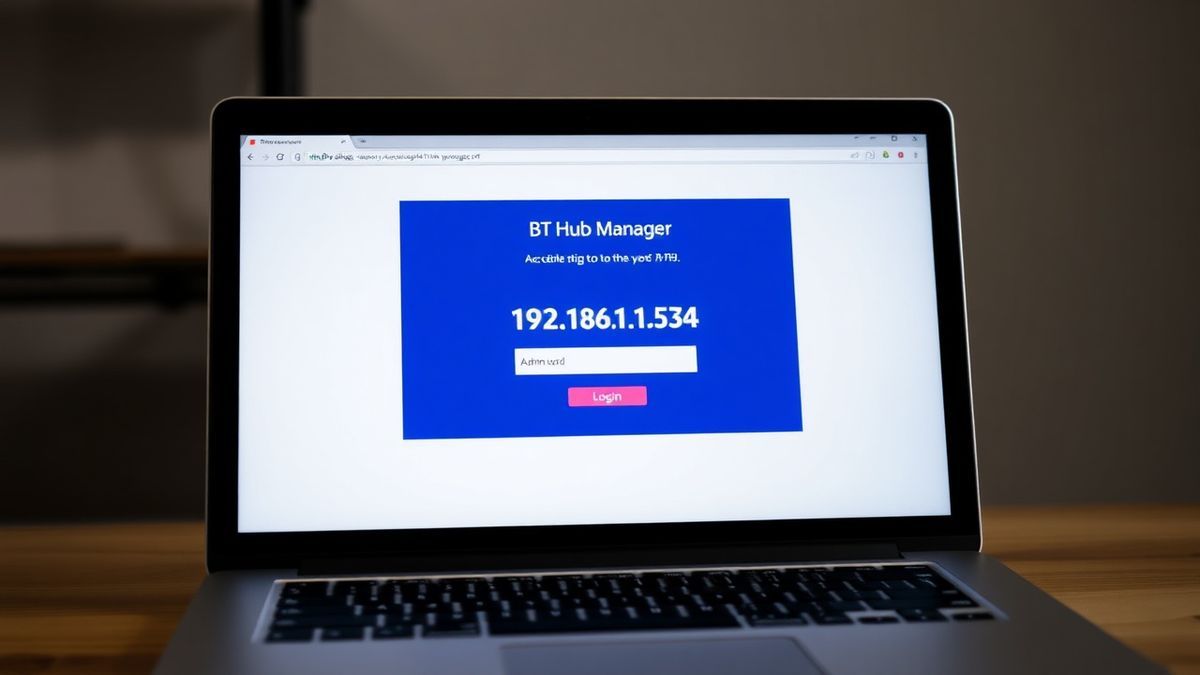
- Enter the Default Gateway: In the address bar (not the search bar), type
http://192.168.1.254and press Enter. - Navigate the Main Page: The BT Hub Manager dashboard will load. From here, you can view your network status. To make changes, you will be prompted for the admin password.
Default Username and Password for BT Hub
Unlike many older routers, BT Smart Hubs do not use a standard "admin/admin" username and password combination for login security. Instead, the security model uses an Admin Password unique to your device.
- Admin Password: This is not your WiFi password. You can find it printed on a sticker on the back or bottom of your physical BT Hub device. It is usually a combination of letters and numbers (e.g., "B4z8k9p2").
- Username: There is typically no username field for standard settings changes; only the password is required for access.
Security Tip: For enhanced security, it is highly recommended to change this default Admin Password after your first login to prevent unauthorized access to your router settings.
Configuring Your Network After Login
Once you have successfully completed the BT Hub Manager Login, you gain full control over your network settings. Here are the most common configurations users perform:
How to Change WiFi Name (SSID) and Password
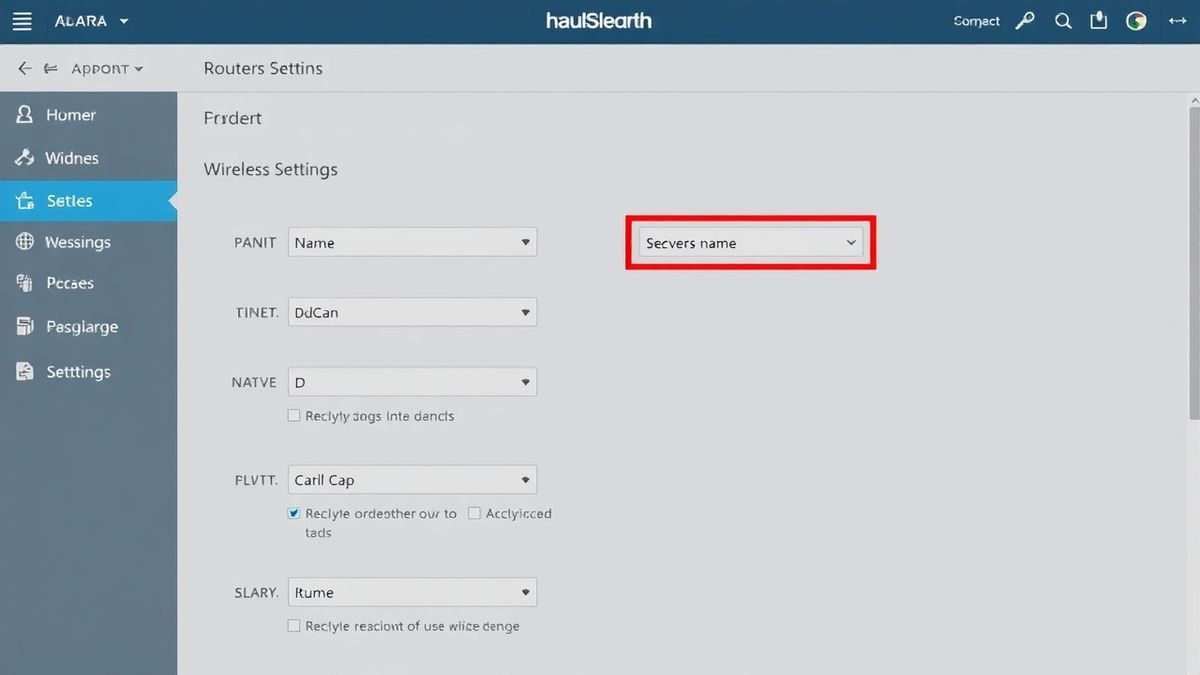
- Inside the Hub Manager, click on the Wireless tab.
- Select Change settings. You will be asked to enter the Admin Password found on the back of your hub.
- In the Network Name (SSID) field, enter your desired WiFi name.
- In the Security Password field, enter a strong, new WiFi password.
- Click Save. Your devices will disconnect; you will need to reconnect using the new credentials.
How to Change the BT Hub Admin Password
- Log in to the Hub Manager.
- Click on Advanced Settings (usually at the bottom of the main page).
- Select System.
- You will be prompted for the current Admin Password.
- Enter your Current Password.
- Enter your New Password (5-20 characters, case-sensitive).
- Confirm the new password and click Save.
Managing Connected Devices
The Hub Manager allows you to see exactly who is using your WiFi. Navigate to the Device or Connected Devices section to view a list of all devices currently connected to your network. From here, you can often rename devices for easier identification or block unknown devices.
Troubleshooting: Why Is BT Hub Manager Login Not Working?
Encountering issues when trying to access your router is common. Below are the most frequent problems and their solutions.
Cannot Access BT Hub Manager Login Page
If the page fails to load when you type 192.168.1.254:
- Cause: The router’s IP address might have changed, or you are not connected to the network.
- Solution:
- Ensure your device is connected to the BT Hub (check your WiFi icon).
- Verify the default gateway. Open Command Prompt (Windows) or Terminal (Mac) and type
ipconfig(Windows) ornetstat -nr | grep default(Mac). Look for the "Default Gateway" IP address. That is the IP you should use. - Try a different browser or use an "Incognito/Private" window to avoid cache issues.
Page Not Loading / "This Site Can’t Be Reached"
- Cause: Network connectivity issues or a browser caching problem.
- Solution:
- Reboot: Unplug the power cable from your BT Hub, wait 30 seconds, and plug it back in. Wait for the lights to stabilize and try again.
- Check Cables: If you are using an Ethernet cable, ensure it is securely connected.
- Clear Cache: Clear your browser’s cache and cookies, or try a different device (like a smartphone) to see if the page loads.
Login Failed / Invalid Password
- Cause: You are entering the wrong Admin Password. Note that this is different from your WiFi password.
- Solution:
- Locate the physical BT Hub. Look for the sticker on the back. It will list the Admin Password and Wireless Key.
- Ensure you are typing it exactly as it appears, including capitalization and special characters.
- If you have changed it previously and forgotten it, you will need to perform a factory reset.
How to Reset a Forgotten BT Hub Admin Password
If you have forgotten your custom Admin Password and cannot log in:
- Locate the Hub: Find your BT Smart Hub.
- Press and Hold the WPS Button: Look for the WPS button (usually located on the side or back). Press and hold it for about 10-20 seconds until the lights flash blue.
- Follow the On-Screen Prompt: A page may appear on a connected computer asking for the Default Admin Password. You can find this on the sticker on the back of the hub.
- Set a New Password: Enter the default password to override the old one, then immediately set and save a new, memorable password.

Frequently Asked Questions
How do I login to my BT Hub Manager? To login, connect to your BT WiFi network, open a browser, and enter 192.168.1.254 in the address bar. You will then be prompted for the Admin Password, which is located on the sticker on the back of your physical router.
What is the default password for BT Hub Manager Login? There is no universal default password like "admin." Each BT Hub has a unique Admin Password printed on a sticker on the back of the device. This is separate from your WiFi password.
Why is the BT Hub Manager Login page not loading? This usually occurs due to an incorrect IP address or a connection issue. Ensure you are connected to the BT Hub network and try using 192.168.1.254. If that fails, check your computer’s "Default Gateway" via the Command Prompt.
Can I change my WiFi password without logging into the BT Hub Manager? No. The only way to change your WiFi name (SSID) or password is by logging into the BT Hub Manager interface using the Admin Password.
How do I find my BT Hub’s Admin Password if I lost the sticker? If the sticker on the back of your hub is unreadable or missing, you may need to perform a factory reset by holding the WPS button for an extended period. However, resetting will erase all custom settings and restore the default password printed on the sticker.
Is it safe to access the BT Hub Manager Login over WiFi? Yes, it is generally safe, as the connection is local and encrypted. However, for initial setup or critical security changes, it is best practice to use a device connected via Ethernet cable to avoid disconnection during the configuration process.
🔒 Security Reminder
After logging into your BT Hub Manager router, always change the default password to protect your network from unauthorized access. Use a strong password with at least 12 characters including letters, numbers, and special symbols.