http://DZS Router Login in the address bar. Use default credentials (usually admin/admin or admin/password) to access the admin panel. Change your password immediately for security. DZS Router Login: The Complete Guide to Access & Configure Your Network
What is DZS Router Login
The DZS Router Login is the gateway to your router's admin panel, accessible via a private IP address (like 192.168.1.1) that acts as your network's default gateway. This login page is where you manage your home network's core settings, from securing your WiFi to troubleshooting connectivity. Think of it as the central control hub for your internet connection.
How to Login to DZS Router Login
Accessing your DZS router's admin panel is a straightforward process. Follow these steps carefully to ensure a successful login.
- Connect to Your Network: Ensure your computer or smartphone is connected to the DZS router's network, either via WiFi or an Ethernet cable.
- Open a Web Browser: On your connected device, launch any web browser, such as Chrome, Firefox, Safari, or Edge.
- Enter the Default Gateway IP: In the browser's address bar (not the search bar), type the default IP address for your DZS router. This is most commonly
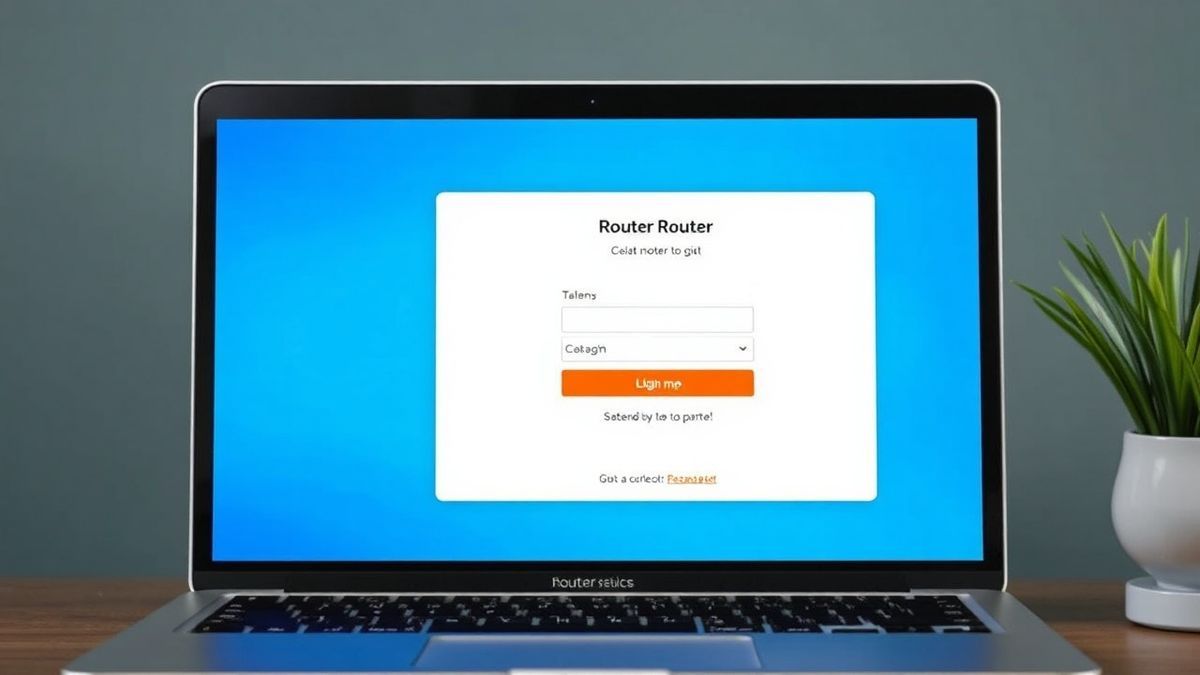
http://192.168.1.1orhttp://192.168.0.1. Press Enter. - Input Login Credentials: A login page will appear. Enter the router's username and password. If you haven't changed them, use the default credentials (see table below).
- Click 'Login': After entering the details, click the login button to access the main admin panel.
Default DZS Username and Password
DZS routers, like many others, often come with a set of default credentials to allow initial access. It's crucial to locate these to log in for the first time. The most common combinations are:
| Username | Password |
|---|---|
| admin | admin |
| user | user |
| admin | zhone |
| admin | password |
Important: These default credentials are a significant security risk if left unchanged. We strongly recommend changing the admin password immediately after your first DZS Router Login to prevent unauthorized access to your network settings.
What You Can Do After Login
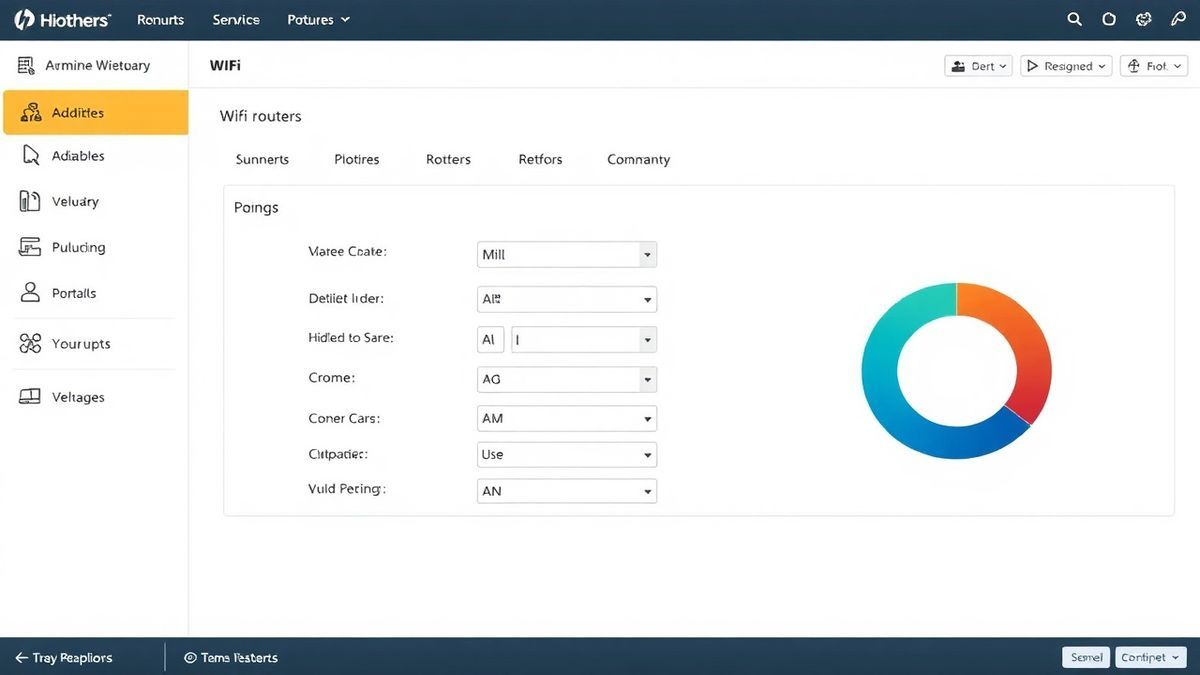
Once you've successfully completed the DZS Router Login and entered the admin panel, you gain control over a wide range of network functions. Here are the most common tasks users perform:
- Change WiFi Network Name (SSID): Personalize your network to make it easily identifiable.
- Change WiFi Password: Enhance your network's security by setting a strong, unique password.
- View Connected Devices: See a list of all computers, smartphones, and smart home devices currently connected to your network.
- Set Up Parental Controls: Manage internet access times and content for specific devices.
- Configure Guest Network: Create a separate WiFi network for visitors, keeping your main network secure.
Troubleshooting DZS Router Login Not Working
It can be frustrating when you can't access your router's settings. This section provides clear, step-by-step solutions for the most common login problems.
Cannot access DZS Router Login (Page Not Loading)
- Problem: You type the IP address but the page fails to load, or you see a "This site can't be reached" error.
- Causes:
- Incorrect IP address.
- Device is not connected to the router's network.
- IP address conflict on your network.
- Solutions:
- Verify the Default Gateway: On a Windows computer, open Command Prompt, type
ipconfig, and press Enter. Look for "Default Gateway." On a Mac, go to System Settings > Network > Wi-Fi, and click "Details" to find the router address. Use this IP address for login. - Check Your Connection: Ensure your device is connected to the DZS router's WiFi or via Ethernet. Disconnect from any other networks (like mobile data or a neighbor's WiFi).
- Use an Ethernet Cable: If using WiFi, try connecting directly with an Ethernet cable to rule out wireless issues.
- Verify the Default Gateway: On a Windows computer, open Command Prompt, type
No Response After Entering the IP Address
- Problem: You press Enter after typing the IP, but the browser just spins or eventually times out.
- Causes:
- The router is not powered on or is malfunctioning.
- A firewall or antivirus is blocking the connection.
- Solutions:
- Power Cycle the Router: Unplug the router's power cord, wait 30 seconds, and plug it back in. Wait for all the lights to return to normal, then try the login again.
- Temporarily Disable Firewall: Briefly disable your computer's firewall or antivirus software to see if it's the cause. If it works, add the router's IP as an exception.
Login Failed (Incorrect Username/Password)
- Problem: You see an error message stating the username or password is incorrect.
- Causes:
- Using the wrong default credentials.
- The password was previously changed and forgotten.
- The Caps Lock key is on.
- Solutions:
- Check Default Credentials: Double-check the sticker on the back or bottom of your router. It will often list the unique default username and password.
- Check for Typos: Ensure you are entering the credentials correctly, paying attention to case sensitivity. Try using
adminfor both fields if you're unsure. - Factory Reset the Router: If you've changed the password and can't recall it, you will need to perform a factory reset. Locate the small, recessed "Reset" button on the router. With the router powered on, use a paperclip to press and hold the button for 10-15 seconds. This will restore all settings to their factory defaults, allowing you to use the default username and password from the sticker. Warning: This will also erase all your custom settings, including your WiFi name and password.
Frequently Asked Questions
How do I login to my DZS Router Login page?
To log in, connect your device to the DZS router's network, open a web browser, and enter the router's default gateway IP address, usually 192.168.1.1. Then, enter your admin username and password on the login page that appears.
Why is my DZS Router Login not working?
Several issues can prevent login: an incorrect IP address, a loose network connection, or a forgotten username/password. Refer to the troubleshooting section above for detailed steps on resolving the most common causes.
What is the default password for DZS Router Login?
The default password varies by model. Common default passwords are admin, user, password, or zhone. The most reliable method is to check the sticker on the back or bottom of your router for the unique default credentials.
How can I change my WiFi password after logging in?
After a successful DZS Router Login, navigate to the Wireless or WiFi settings section. Look for a field labeled "Security" or "WPA/WAPI passphrase." Enter your new WiFi password there and click "Apply" or "Save" to confirm the change.
I forgot my DZS router admin password, what should I do?
If you've forgotten a custom password and cannot log in, you will need to perform a factory reset. Locate the reset button on the router (usually a small pinhole), press and hold it for about 10-15 seconds while the router is powered on. This will reset the username and password to the defaults listed on the router's sticker.
Can I access the DZS Router Login from my phone?
Yes, you can. Simply connect your smartphone to your DZS WiFi network, open a mobile browser like Safari or Chrome, and enter the router's IP address (e.g., 192.168.1.1) in the address bar. The login page should appear, though the interface might be slightly different than on a computer.
What should I do if the DZS Router Login IP address doesn't open?
First, ensure your device is connected to the router's network. If it is, verify the correct IP address by checking your device's network settings for the "Default Gateway" or "Router" address. Use that exact address in your browser.
Is it safe to change my DZS router settings?
Yes, accessing your DZS Router Login to change settings like your WiFi password and admin password is a recommended security practice. Changing the default admin password is the most important step to protect your network from unauthorized access.
🔒 Security Reminder
After logging into your DZS router, always change the default password to protect your network from unauthorized access. Use a strong password with at least 12 characters including letters, numbers, and special symbols.