YouFibre Router Login - Default Password & Admin Access Guide 2026
http://YouFibre Router Login in the address bar. Use default credentials (usually admin/admin or admin/password) to access the admin panel. Change your password immediately for security. What is YouFibre Router Login?
The YouFibre Router Login is the process of accessing your router’s admin panel—a private interface where you control your home network. This is achieved by typing your router’s private IP address (which acts as the default gateway) into a web browser. This admin area lets you manage everything from your WiFi password to network security, making it the central control hub for your fibre broadband connection.
How to Login to YouFibre Router Login
Gaining access to your router’s settings is a straightforward process. Follow these steps to open the admin panel:
- Connect to your network: Ensure your device (laptop, phone, or tablet) is connected to your YouFibre network, either via WiFi or an Ethernet cable.
- Open a web browser: Launch Chrome, Safari, Firefox, or any other browser.
- Enter the default gateway IP: In the address bar, type
http://192.168.1.254and press Enter. (This is the standard private IP for YouFibre routers, such as the Arris NVG578LX). - Enter the Device Access Code: You will be prompted for a password. Look for the Device Access Code printed on the sticker on the base or side of your router. Enter this code and click "Continue."
- Access the admin panel: You are now logged in and can view and modify your router settings.
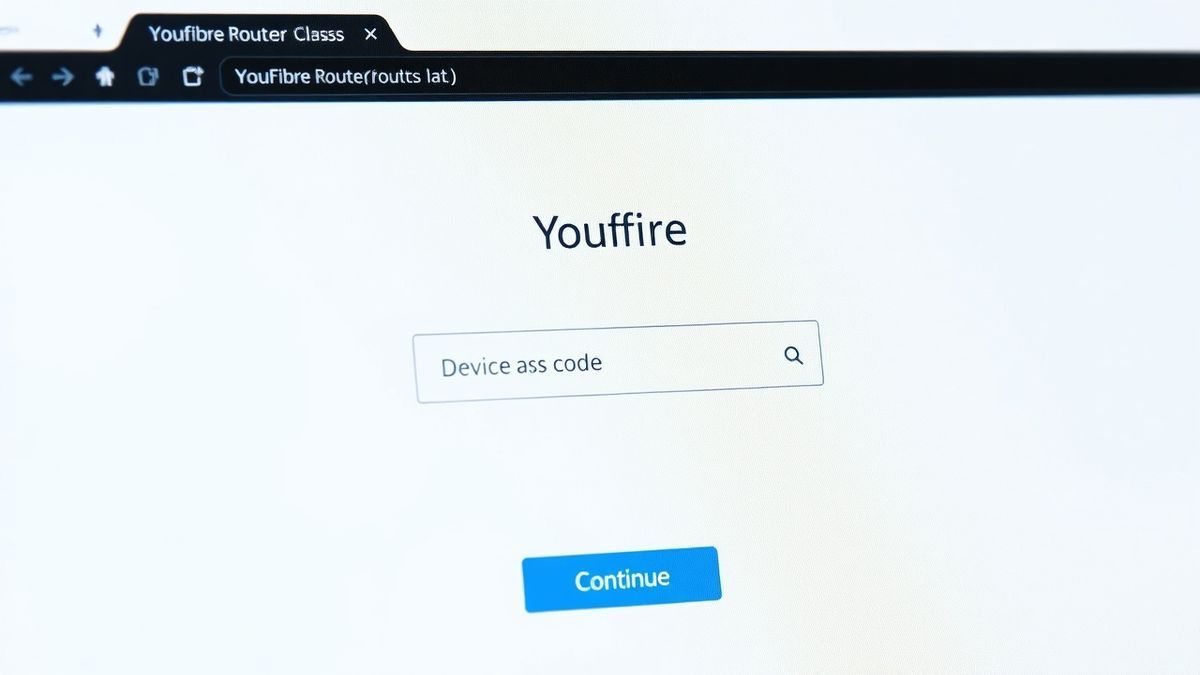
Default Username and Password
Unlike many routers that use a generic username/password combination, YouFibre primarily uses a unique Device Access Code found on the router’s physical label. This code acts as your password.
| Model | Username | Password / Access Code |
|---|---|---|
| Arris NVG578LX | (Not required) | Device Access Code (found on router label) |
Important Security Note: Since this code is physically printed on the router, anyone with physical access to it could potentially log in. For enhanced security, it is highly recommended that you navigate to the admin settings and change this default access code or set a strong admin password after your first login.
What You Can Do After Login
Once you have completed the YouFibre Router Login and accessed the admin panel, you have full control over your fibre broadband network. Here are the most common tasks users perform:
- Change WiFi Password and Network Name (SSID): This is the most common reason to log in. You can rename your network to something memorable and set a strong, new password to secure your connection.
- View Connected Devices: See a list of all computers, smartphones, and smart home devices currently connected to your network. This is useful for identifying unauthorized users.
- Set Up Guest Wi-Fi: Create a separate, isolated WiFi network for visitors to keep your primary network secure.
- Adjust Firewall and Security Settings: Customize your router’s firewall rules to control the level of protection for your home network.
- Manage Parental Controls: Restrict internet access for specific devices or at certain times of the day.
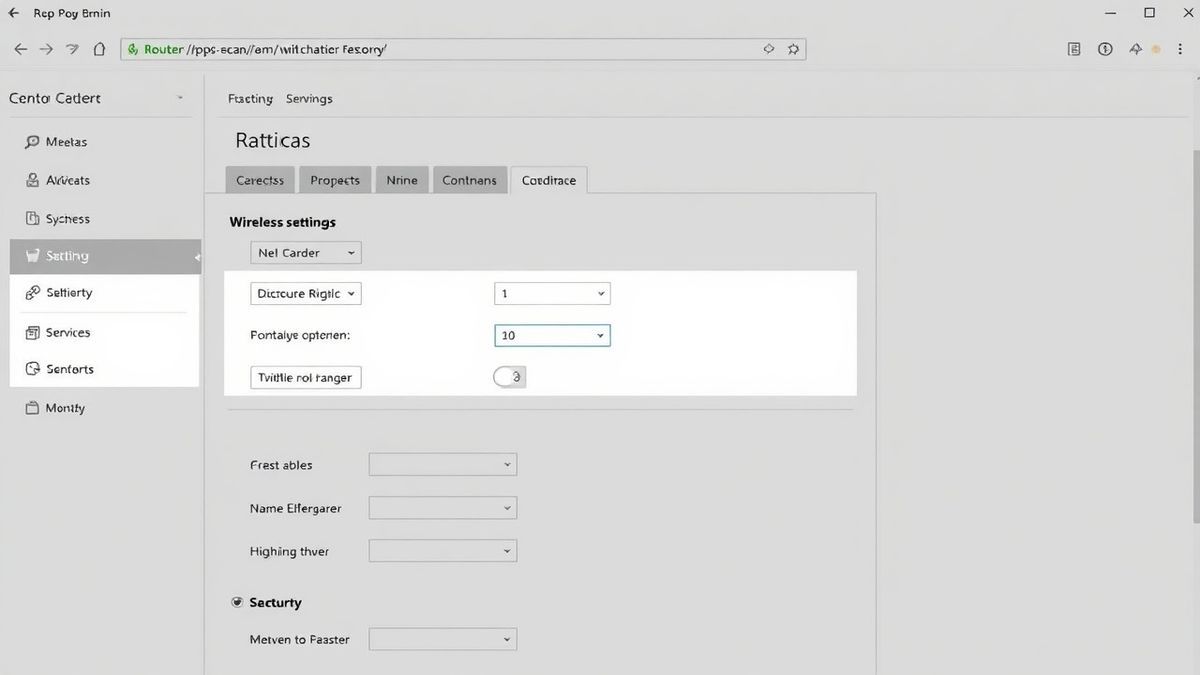
Troubleshooting YouFibre Router Login Not Working
It can be frustrating when you can't access the admin panel. Here are the most common login issues and how to fix them.
Cannot Access YouFibre Router Login (Page Not Loading)
- Problem: You type
192.168.1.254into your browser, but the page just loads forever or shows an error like "This site can’t be reached." - Why it happens: The most common cause is that your device isn't connected to the router. Another possibility is that the default gateway IP address is different.
- Solutions:
- Check Your Connection: Ensure your device is connected to your YouFibre WiFi or via an Ethernet cable.
- Verify the IP Address: Open your device’s network settings to confirm the correct default gateway.
- Windows: Open Command Prompt, type
ipconfig, and look for "Default Gateway" under your active network adapter. - macOS: Go to System Settings > Network, select your connection, and click "Details" to find the "Router" address.
- Windows: Open Command Prompt, type
- Use a Different Browser: Try a different browser or clear your current browser's cache and cookies.
No Response After Entering IP Address
- Problem: The browser doesn't load the page, or you get a connection timeout error.
- Why it happens: This could be a temporary glitch with the router or a firewall blocking the connection.
- Solutions:
- Restart Your Router: Unplug the power cable from your YouFibre router, wait 30 seconds, and plug it back in. Wait for it to fully restart and then try the login again.
- Disable VPN: If you are using a VPN, disconnect it. VPNs can sometimes block access to local network addresses.
Login Failed / Incorrect Password
- Problem: You enter the password, but it's rejected.
- Why it happens: The password may have been changed from the default, or you may be using the wrong code.
- Solutions:
- Check the Sticker: If you have never changed the password, carefully check the Device Access Code on the router label. It is case-sensitive.
- Use a Different Code: If you changed it and forgot, you will need to perform a factory reset (see below).
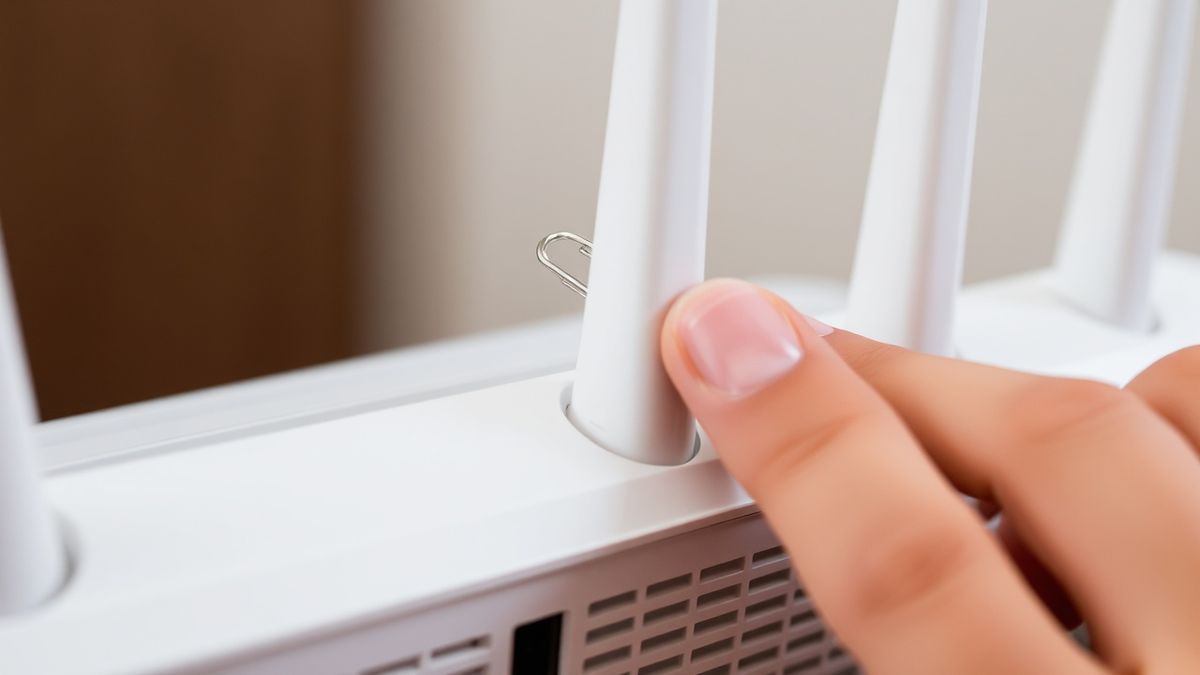
- Perform a Factory Reset: Use a paperclip to press and hold the small reset button on the back of the router for about 10-15 seconds until the lights flash. This will restore all settings, including the login password, to the defaults shown on the sticker. Note: This will also erase your custom WiFi name and password.
Frequently Asked Questions
How to login to YouFibre Router Login?
Connect your device to the network, open a web browser, enter 192.168.1.254 in the address bar, and input the Device Access Code found on the bottom or side of your router.
Why is YouFibre Router Login not working?
This is often due to a poor network connection, using the wrong IP address, or a browser cache issue. Try restarting your router and verifying the default gateway IP address from your computer's network settings.
What is the default password for YouFibre Router Login?
There is no universal default password. Your unique password is the Device Access Code printed on the sticker on your router. For the Arris NVG578LX model, this is the only credential required.
How do I change my WiFi password after logging in?
After logging into the admin panel, navigate to the Wi-Fi or Wireless section. Look for the Network Name (SSID) to change the name and the Password field to set a new one. Click Save or Apply for the changes to take effect.
What should I do if I forgot my YouFibre router password?
If you have changed the password and forgotten it, you will need to perform a factory reset. Use a paperclip to hold down the reset button on the back of the router for 10-15 seconds. This will reset the password to the Device Access Code on the sticker.
Can I access YouFibre Router Login from my phone?
Yes, you can. Simply connect your smartphone to your WiFi network, open a mobile browser (like Chrome or Safari), and enter 192.168.1.254 in the address bar. The login page will appear.
Is it safe to change my router settings?
Yes, it is safe and often recommended for security. However, you should only change settings you understand. Incorrect changes to advanced features (like DHCP or Firewall settings) could disrupt your internet connection. Always stick to the basic Wi-Fi and security tabs if you are unsure.
🔒 Security Reminder
After logging into your YouFibre router, always change the default password to protect your network from unauthorized access. Use a strong password with at least 12 characters including letters, numbers, and special symbols.