http://HughesNet Router Login in the address bar. Use default credentials (usually admin/admin or admin/password) to access the admin panel. Change your password immediately for security. HughesNet Router Login Tool: Access & Manage Your Settings
What is HughesNet Router Login?
HughesNet Router Login is the process of accessing your router’s admin panel using a private IP address, typically 192.168.0.1, or the domain www.systemcontrolcenter.com. This default gateway acts as the entry point to your router’s software, allowing you to view and modify critical settings. You use this login to manage your Wi-Fi network name (SSID), update your password, monitor data usage, and optimize your satellite internet connection for better performance.
How to Login to HughesNet Router Login
Gaining access to your HughesNet router’s control center is a straightforward process. Follow these steps to log in:
- Connect to Your Network: Ensure your computer or smartphone is connected to your HughesNet Wi-Fi network or directly to the router via an Ethernet cable.
- Open a Web Browser: Launch any web browser, such as Chrome, Safari, Firefox, or Edge.
- Enter the Gateway Address: In the address bar (not the search bar), type one of the following and press Enter:
http://192.168.0.1www.systemcontrolcenter.com
- Enter Login Credentials: A login page will appear. Enter the default username and password. For most HughesNet routers, the credentials are:
- Username:
admin - Password:
admin
- Username:
- Access the Admin Panel: Click the “Login” button. You will now be inside the HughesNet System Control Center, your router’s admin panel.
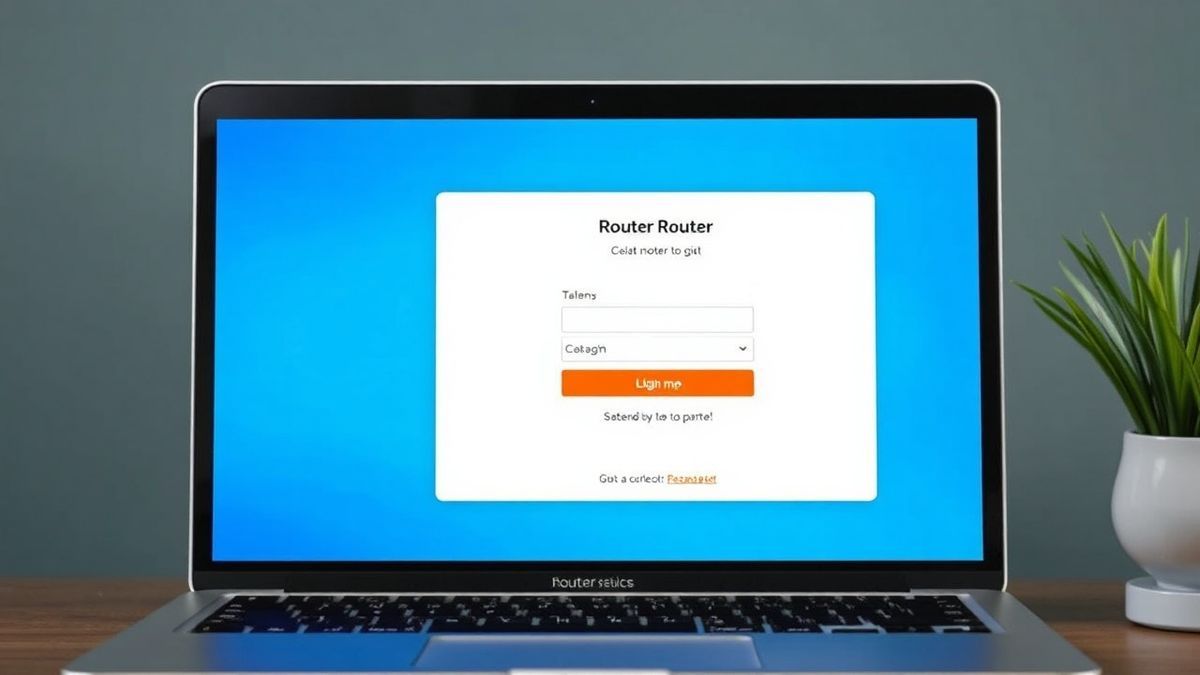
Default Username and Password
While admin for both the username and password is the standard for HughesNet routers, it’s always wise to verify. Using the default credentials is a significant security risk, as they are publicly known. If the combination above doesn’t work, check the sticker on your router; it often lists the unique default login details. Once you’ve logged in, changing the default password should be your first action to secure your home network.
What You Can Do After Login
Once inside the HughesNet System Control Center, you have full control over your network. The admin panel is designed for easy navigation, allowing you to manage several key functions:
- Change Wi-Fi Name (SSID): Personalize your network by changing its name from the generic default to something you can easily identify.
- Change Wi-Fi Password: This is crucial for security. Update your Wi-Fi password to a strong, unique one to prevent unauthorized access.
- View Connected Devices: See a list of all devices currently using your Wi-Fi. This helps you monitor for any intruders or manage bandwidth usage.
- Adjust Router Settings: For advanced users, you can manage features like port forwarding, parental controls, and Quality of Service (QoS) settings to prioritize bandwidth for important activities.
- Monitor Data Usage: Keep an eye on your monthly data allowance to avoid overage charges, a key feature for satellite internet users.
Troubleshooting HughesNet Router Login Not Working
It can be frustrating when you can't access your router’s settings. Here are solutions to the most common login problems.
Cannot access HughesNet Router Login (Page Not Loading)
If you enter the IP address or URL and the page never loads, the issue is often a connection problem.
-
Reason 1: Connection Issue. Your device might not be properly connected to the HughesNet network.
-
Solution: Verify your Wi-Fi connection. If you’re on Wi-Fi, try connecting via an Ethernet cable to rule out wireless issues. Ensure your HughesNet modem is online and all indicator lights are normal.
-
Reason 2: Incorrect IP Address. The router’s default gateway might not be
192.168.0.1. -
Solution: Let’s find the correct address.
- On Windows: Open Command Prompt, type
ipconfig, and press Enter. Look for “Default Gateway” under your active network connection. - On Mac: Go to System Settings > Network, select your connection, and click “Details.” The router’s address is listed as “Router.” Use the IP address found here to log in.
- On Windows: Open Command Prompt, type
Login Failed (Incorrect Username/Password)
This is the most common issue. Even if you haven’t changed the password yourself, it may have been changed by someone else or during a service call.
-
Reason 1: The default
admin/adminis not correct for your specific model or has been changed. -
Solution: Try the combination
adminandpassword. If that fails, look for a sticker on the bottom or side of your HughesNet router for a unique default password. -
Reason 2: Forgot a customized password.
-
Solution: If you’ve changed the password and forgotten it, you have no choice but to perform a factory reset. This will restore all settings, including the login password, to their defaults. Locate the small, recessed reset button on the back of the router. Using a paperclip, press and hold it for 15–30 seconds until the lights on the router blink. Wait for it to reboot and then try logging in with the default credentials.

No Response After Entering IP (Page is Blank/Refuses to Connect)
Sometimes the page might just appear blank or show an error like “This site can’t be reached.”
- Reason: A browser cache issue or a conflict with a firewall.
- Solution: Try these steps:
- Use a Different Browser: Switch to a different web browser to rule out a browser-specific problem.
- Clear Browser Cache: Clear your browser’s cache and cookies, which can sometimes cause loading errors.
- Disable Firewall Temporarily: Temporarily disable your computer’s firewall or any security software to see if it’s blocking access to the local IP address. If this works, add an exception for the router’s IP address in your firewall settings.
Frequently Asked Questions
How do I log in to my HughesNet router login page? Open a web browser and enter 192.168.0.1 or www.systemcontrolcenter.com in the address bar. Then, enter the username and password (usually admin/admin) to access the admin panel.
Why is my HughesNet router login not working? This can happen for several reasons. The most common are: using the wrong IP address, an incorrect username or password, or a temporary connection issue. Check your device’s connection and ensure you’re using the correct default gateway IP found via ipconfig (Windows) or network settings (Mac). If you've forgotten a changed password, a factory reset may be required.
What is the default password for HughesNet router login? The default password for most HughesNet routers is admin. The username is also admin. If this doesn’t work, check the physical sticker on your router for a unique default password. It is highly recommended to change this default password after your first login to secure your network.
What can I do in the HughesNet System Control Center? Once logged in, you can change your Wi-Fi name (SSID), update your Wi-Fi password, view a list of connected devices, monitor your data usage, and configure advanced router settings like parental controls or port forwarding.
How do I change my HughesNet Wi-Fi password? Log in to your HughesNet router admin panel. Navigate to the “WiFi Settings” section, select your frequency band (2.4GHz or 5GHz), and enter your new password in the “Password” field. Click “Save Settings” to apply the changes.
Is it safe to use the default HughesNet router login credentials? No, using the default username and password is a significant security risk. Anyone on your network knows these credentials and could access your router settings. You should change the admin password to a strong, unique password immediately after your first login.
How do I perform a HughesNet router reset? To reset your HughesNet router to its factory settings, locate the small reset button on the back of the device. Use a paperclip to press and hold this button for approximately 15-30 seconds until the router’s lights flash and it reboots. This will erase all custom settings, including your Wi-Fi password and any changes made in the admin panel.
🔒 Security Reminder
After logging into your HughesNet router, always change the default password to protect your network from unauthorized access. Use a strong password with at least 12 characters including letters, numbers, and special symbols.