http://Tenda Router Login in the address bar. Use default credentials (usually admin/admin or admin/password) to access the admin panel. Change your password immediately for security. Tenda Router Login Tool: Access Admin & Fix Issues Fast
What is Tenda Router Login
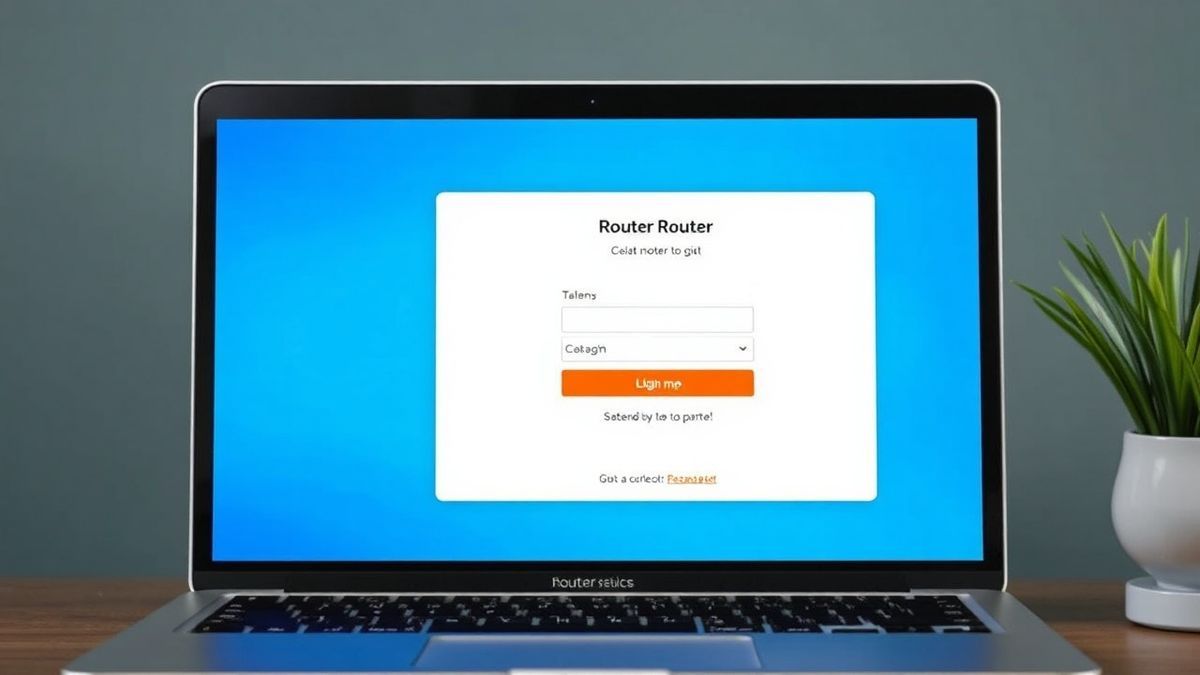
Your Tenda router uses a private IP address, like 192.168.0.1 or 192.168.1.1, as its default gateway. This is the address you type into a web browser to access your router’s admin panel. The process of using this IP to reach the interface is what we refer to as the Tenda Router Login. It’s the essential first step to managing your home network, from changing your WiFi password to setting up security features.
How to Login to Tenda Router Login
Accessing your router’s settings is a straightforward process. Follow these steps carefully to log in to your Tenda Router Login interface.
- Connect to Your Network: Ensure your computer or smartphone is connected to your Tenda router’s WiFi network or via an Ethernet cable. A wired connection is often more stable during configuration.
- Open a Web Browser: On your connected device, open any web browser such as Chrome, Firefox, Safari, or Edge.
- Enter the Default Gateway: In the browser’s address bar (not the search bar), type the default IP address for Tenda routers. This is typically
http://192.168.0.1orhttp://192.168.1.1. Press theEnterkey. - Enter Login Credentials: A login page will appear, prompting you for a username and password. Enter the default credentials for your Tenda router. These are usually
adminfor both the username and password fields. - Access the Admin Panel: After entering the credentials, click the "Login" button. You will now be inside the router’s admin panel, where you can view and modify all router settings.
Default Username and Password
Tenda routers, like many consumer networking devices, come with a default username and password to allow initial access. The most common combination is:
| Field | Default Value |
|---|---|
| Username | admin |
| Password | admin |
In some older models or specific versions, the password might be password or simply left blank. It is critical to change this default password immediately after your first login. Leaving the default credentials active is a significant security risk, as anyone connected to your network could potentially access and alter your router settings.
What You Can Do After Login
Once you have successfully completed the Tenda Router Login and are in the admin panel, you have full control over your home network. Here are some of the most common tasks you can perform:
- Change WiFi Password (Security Key): This is the most frequent task. You can update your WiFi password to a strong, unique one to prevent unauthorized access.
- Change WiFi Name (SSID): Customize your network’s name to make it easily identifiable.
- View Connected Devices: See a list of all devices currently connected to your network, helping you spot any intruders.
- Set Up a Guest Network: Create a separate WiFi network for visitors, keeping your primary network secure.
- Update Router Firmware: Check for and install the latest firmware to improve performance and patch security vulnerabilities.
Troubleshooting Tenda Router Login Not Working
It’s frustrating when you can’t access your router’s settings. Here are solutions to the most common login problems.
Cannot access Tenda Router Login (Page not loading)
Why this happens: The most common reason is using the wrong IP address. Your router might be using a different default gateway than expected. A connection issue between your device and the router can also cause this.
How to fix it:
- Verify the IP Address: On a Windows PC, open Command Prompt, type
ipconfig, and press Enter. Look for "Default Gateway" under your active network connection. On a Mac, go to System Settings > Network, select your connection, and click "Details" to find the router address. This is the correct IP to use for your Tenda Router Login. - Check Your Connection: Ensure your device is connected to the router’s network, either via WiFi or Ethernet. Try a different cable or disconnect and reconnect to the WiFi.
- Try a Different Browser: Sometimes browser cache can cause issues. Try using a different browser or open an incognito/private window.
No response after entering IP address
Why this happens: This can be caused by a browser cache issue or a problem with the router itself, such as a temporary freeze.
How to fix it:
- Clear Browser Cache: Clear your browser’s cache and cookies, or try accessing the IP address in an incognito window.
- Power Cycle Your Router: Unplug your Tenda router’s power cable, wait 30 seconds, and plug it back in. Wait for all the lights to return to their normal state, then try logging in again.
Login failed
Why this happens: This error indicates that the username or password you entered is incorrect. If you’ve never changed the password, it’s likely the default one. If you have changed it and forgotten it, you’ll need to reset the router.
How to fix it:
- Try Default Credentials: Use the default username and password (
admin/adminoradmin/password). - Reset Your Router: If the default credentials don't work, someone may have changed the password. To reset it, locate the small "Reset" button on the back or bottom of your router. Use a paperclip to press and hold it for about 10 seconds until the lights flash. This will restore all settings to factory defaults, including the login credentials. After the reset, you can log in with the default username and password.

Frequently Asked Questions
How do I log in to my Tenda router? To perform a Tenda Router Login, connect your device to the router’s network. Open a web browser, enter the default IP address 192.168.0.1 or 192.168.1.1 in the address bar, and press Enter. Then, enter the username and password (default is admin/admin) to access the admin panel.
Why is Tenda Router Login not working? If the Tenda Router Login page isn’t loading, you’re likely using the wrong IP address. Use the ipconfig command in Command Prompt to find your correct default gateway. Alternatively, ensure your device is properly connected to the router and try power cycling the router.
What is the default password for Tenda Router Login? The default password for most Tenda routers is admin. The username is also admin. If this doesn’t work, try leaving the password blank or check the sticker on the bottom of your router for specific credentials.
How can I change my Tenda WiFi password? First, log in to the router admin panel. Once inside, look for a section labeled "Wireless" or "WiFi Settings." Find the field for "Password," "Security Key," or "WPA Pre-Shared Key," enter your new password, and click "Save" or "Apply."
What should I do if I forgot my Tenda router password? If you forgot your custom password, you cannot recover it. The only solution is to perform a factory reset by holding the "Reset" button on the back of the router for 10-15 seconds with a paperclip. This will restore the default username and password (admin/admin).
How do I find my router’s IP address? On a Windows PC, open Command Prompt and type ipconfig. Your router’s IP address is listed as the "Default Gateway." On a Mac, go to System Preferences > Network, select your connection, and find the "Router" address.
Is it safe to keep the default router login password? No, it is a significant security risk. Anyone connected to your network could log in to your router and change settings. You should change the default password to a strong, unique one immediately after your first login.
🔒 Security Reminder
After logging into your Tenda router, always change the default password to protect your network from unauthorized access. Use a strong password with at least 12 characters including letters, numbers, and special symbols.